 wikimagazines@gmail.com
Looking for ways to engage children in hands-on learning while boosting creativity? Art projects for kids are an excellent way to combine fun, education, and skill development. From painting and drawing to DIY crafts and recycled materials, art projects stimulate imagination, enhance motor skills, and encourage problem-solving in young learners.
Engaging in art at an early age provides long-term benefits, including improved cognitive abilities, emotional expression, and social skills. This article explores a wide variety of art projects for kids, offering practical tips, step-by-step guidance, and insights into how art can foster learning and creativity.
The Benefits of Art Projects for Kids
Before diving into specific activities, it’s important to understand why art projects for kids are valuable.
- Enhances Creativity: Children learn to express themselves through colors, shapes, and textures.
- Develops Fine Motor Skills: Cutting, painting, and drawing improve hand-eye coordination.
- Boosts Cognitive Development: Art activities stimulate critical thinking, planning, and spatial awareness.
- Encourages Emotional Expression: Kids can communicate feelings they may not be able to verbalize.
- Promotes Social Skills: Collaborative art projects teach teamwork, sharing, and communication.
Research has shown that children who regularly engage in creative activities perform better academically and develop stronger problem-solving abilities.
Types of Art Projects for Kids
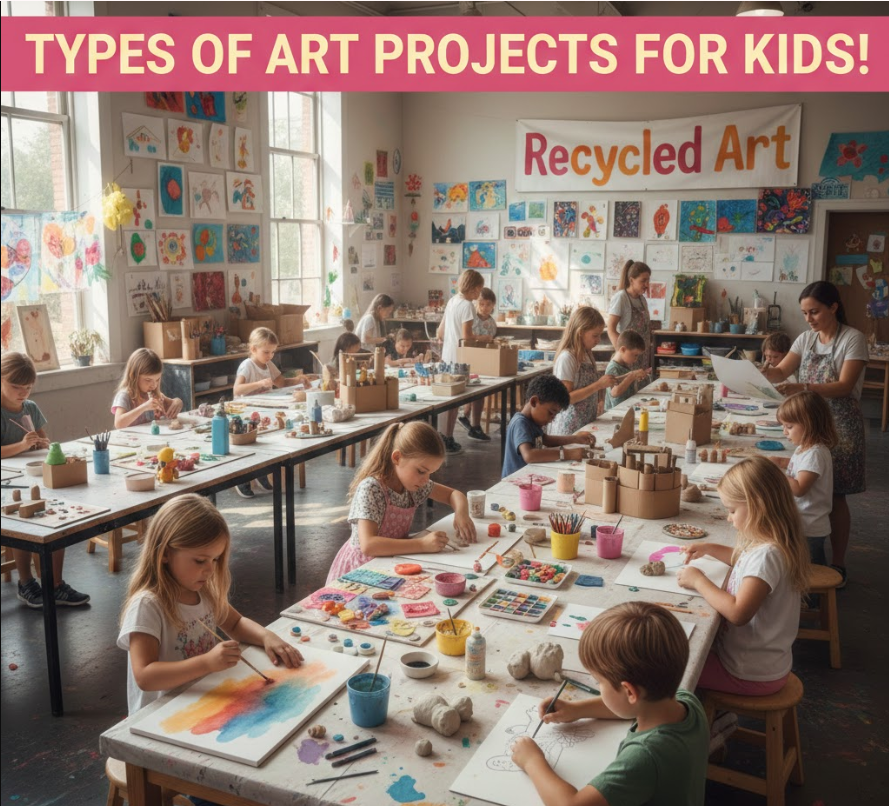
When planning art projects for kids, it’s useful to categorize them to match age, skill level, and interests.
- Drawing and Painting: Watercolors, crayons, markers, and acrylic paints.
- Crafts and DIY Projects: Paper crafts, clay modeling, collage making.
- Recycled Art: Using household items like bottle caps, cardboard, and egg cartons.
- Mixed Media: Combining paint, collage, and other materials for experimental creativity.
- Seasonal and Themed Projects: Holiday crafts, nature-inspired art, or story-based creations.
Each type offers unique opportunities for skill development and imaginative play.
Also Read This:- Shop Disco Cowboy Hat: The Ultimate Guide to Retro Western Style
Simple Drawing Projects for Young Children
For toddlers and preschoolers, simple drawing projects are ideal. Art projects for kids at this stage focus on exploring colors, shapes, and lines.
- Coloring Pages: Classic and easy to implement; helps with color recognition.
- Shape Drawing: Encourages learning geometric forms and spatial awareness.
- Handprint and Footprint Art: Transform prints into animals, flowers, or abstract patterns.
- Story Illustration: Children draw scenes from favorite books or personal stories.
These activities are low-cost, require minimal setup, and help build foundational artistic skills.
Painting Projects to Inspire Creativity
Painting offers endless possibilities for art projects for kids and is perfect for children of all ages.
- Finger Painting: Encourages tactile exploration and sensory learning.
- Watercolor Techniques: Teaches blending and layering colors.
- Sponge or Bubble Painting: Fun, textural projects that explore patterns.
- Abstract Expression: Children paint freely, promoting imagination and emotional expression.
Painting projects not only improve fine motor skills but also help children understand color theory and composition.
Craft Projects for Skill Building
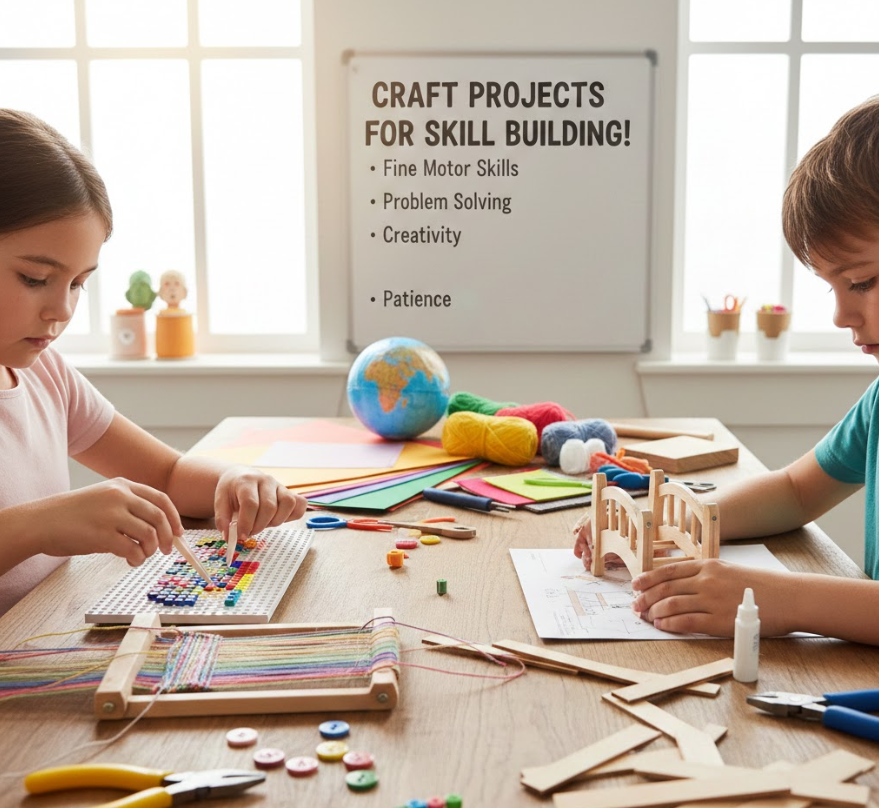
Crafts are an essential part of art projects for kids because they combine creativity with hands-on problem solving.
- Paper Crafts: Origami, paper flowers, or greeting cards.
- Clay and Playdough Projects: Sculpting animals, food items, or miniature figures.
- Collage Making: Using magazines, colored paper, and natural materials.
- Beadwork and Jewelry Making: Develops precision and patience in older children.
Crafts also promote sequential thinking, as children plan steps and assemble materials to achieve their desired result.
Also Read This:- How to Catch All Stormfish in Sea of Thieves MGRGameTron Guide
Recycled Art Projects for Eco-Friendly Creativity
Teaching kids to reuse materials is both creative and environmentally conscious. Art projects for kids can be designed using recyclable items:
- Bottle Cap Mosaics: Create colorful designs by gluing bottle caps onto cardboard.
- Cardboard Castles or Animals: Encourage imaginative play alongside construction skills.
- Egg Carton Flowers: Transform simple cartons into vibrant garden displays.
- Tin Can Lanterns: Puncture patterns to make decorative lanterns.
Recycled projects teach children about sustainability while fostering resourcefulness.
Mixed Media and Experimental Art
Older kids enjoy more complex art projects for kids involving mixed media. These projects challenge their creativity and critical thinking.
- Texture Collage: Combine fabric, sand, paint, and paper to create tactile art.
- Photo Manipulation Projects: Use family photos with paint or paper overlays.
- Storyboards and Comic Art: Encourage sequential thinking and visual storytelling.
- Layered Canvas Projects: Build up multiple layers for a 3D effect.
Mixed media projects offer endless opportunities for experimentation and personal expression.
Seasonal and Holiday-Themed Art Projects
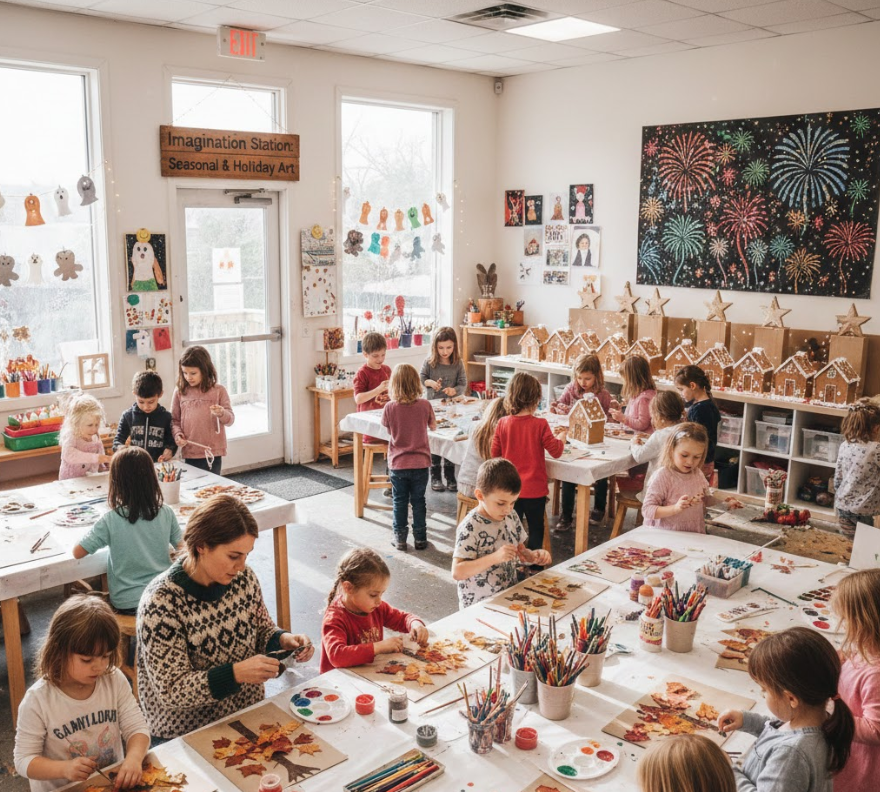
Seasonal projects are highly engaging because they connect art to real-world events. Art projects for kids can celebrate holidays, nature, and cultural traditions:
- Autumn Leaf Prints: Press and paint leaves for fall decorations.
- Snowflake Cutouts: Teaches symmetry during winter months.
- Holiday Ornaments: Create decorations for Christmas, Hanukkah, or other holidays.
- Spring Flower Crafts: Use paper, clay, or natural materials for garden-inspired projects.
These projects build anticipation for celebrations and encourage cultural awareness.
Also Read This:- How to Buy Ren Faire Tickets at King Soopers: A Complete Step-by-Step Guide
Outdoor and Nature-Inspired Art Projects
Art doesn’t have to be confined indoors. Art projects for kids can integrate outdoor exploration and environmental learning.
- Nature Collages: Collect leaves, sticks, and flowers to create textured designs.
- Sand Painting: Draw and color on the beach or sandbox.
- Rock Painting: Paint rocks for garden decoration or story-building.
- Mud Sculptures: Encourage tactile creativity while exploring natural materials.
Outdoor projects also promote physical activity and curiosity about the natural world.
STEM-Integrated Art Projects
Integrating STEM concepts into art projects for kids enhances learning through creativity.
- Building Structures: Use popsicle sticks or LEGO bricks to explore engineering principles.
- Circuit Art: Incorporate simple LED lights into art pieces.
- Mathematical Patterns: Create geometric art using symmetry, grids, and repetition.
- Science-Inspired Art: Paint with chemical reactions, such as vinegar and baking soda effects.
STEM-art integration develops analytical thinking while keeping the process playful.
Digital and Tech-Based Art Projects
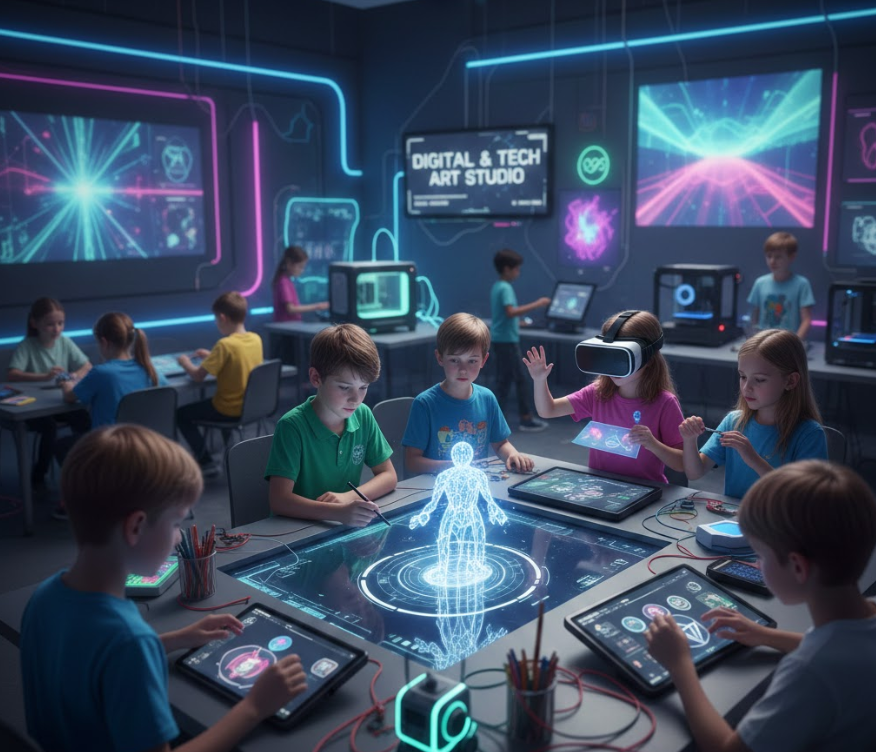
In today’s world, art projects for kids can include digital tools, enhancing tech literacy alongside creativity.
- Digital Drawing Apps: Introduce children to tablet-based art software.
- Photo Editing Projects: Learn basic digital design and visual storytelling.
- Stop-Motion Animation: Combine craft, storytelling, and video technology.
- Online Collaborative Art: Work on shared digital canvases with friends or classmates.
Digital art projects prepare children for creative expression in modern mediums.
Also Read This:- How to Use AR Silins Software Silinsaxin: A Complete Practical Guide
Tips for Facilitating Art Projects for Kids
To ensure a successful art experience, follow these tips when planning art projects for kids:
- Set up a dedicated, safe workspace with proper materials.
- Encourage exploration and experimentation without pressure.
- Provide age-appropriate tools and guidance.
- Incorporate discussion about colors, shapes, and storytelling.
- Display completed artwork to reinforce pride and achievement.
Creating a supportive environment fosters creativity, confidence, and motivation.
Art Projects for Different Age Groups
Art projects should be tailored to children’s developmental stages:
- Toddlers (1–3 years): Finger painting, simple shape recognition, and sensory crafts.
- Preschoolers (3–5 years): Basic cutting, coloring, and collage.
- Early Elementary (6–8 years): Structured crafts, clay modeling, and beginner mixed media.
- Upper Elementary (9–12 years): Advanced painting, sewing, robotics-inspired art, and digital projects.
Age-appropriate projects ensure safety and enhance learning outcomes.
Encouraging Creativity Beyond the Project
Completing art projects for kids is not just about the final product—it’s about nurturing lifelong creativity.
- Ask open-ended questions about choices made in their artwork.
- Connect art to stories, emotions, or personal experiences.
- Encourage children to experiment with new mediums.
- Introduce collaborative projects to develop social and leadership skills.
This approach makes art a tool for self-expression and critical thinking.
Also Read This:- How to Apply Zlafuxvlex: A Complete Step-by-Step Guide for Best Results
The Role of Parents and Educators
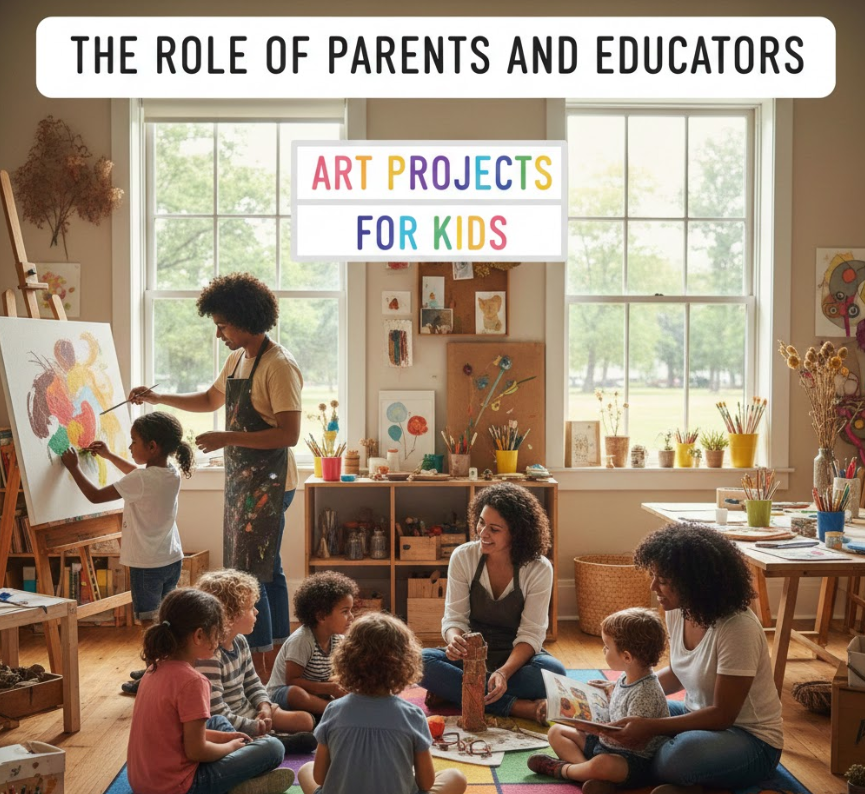
Parents and educators play a crucial role in supporting art projects for kids:
- Offer guidance without taking over the creative process.
- Provide encouragement and positive reinforcement.
- Introduce a variety of materials and techniques.
- Facilitate reflection and discussion about art concepts.
Active involvement enhances engagement and helps children develop confidence in their artistic abilities.
Common Challenges and How to Overcome Them
Some challenges arise when introducing art projects for kids, but they can be managed effectively:
- Messiness: Use protective clothing and easy-to-clean surfaces.
- Short Attention Spans: Break projects into smaller steps and include interactive activities.
- Frustration: Encourage trial-and-error and emphasize effort over perfection.
- Limited Materials: Use household items for creative solutions.
Addressing these challenges ensures a positive and productive art experience.
Measuring Learning Through Art Projects
Art projects are not just fun—they are educational. Teachers and parents can assess:
- Fine motor skills through cutting, drawing, and modeling.
- Cognitive development via pattern recognition, planning, and sequencing.
- Emotional intelligence through storytelling and expression.
- Social skills in group or collaborative art projects.
Understanding the educational value of art projects for kids reinforces their importance beyond entertainment.
Also Read This:- How to Apply Zlafuxvlex: A Complete Step-by-Step Guide for Best Results
Art Projects for Kids at Home vs. School
Whether at home or school, art projects for kids offer different benefits:
- At Home: Flexibility, personalized attention, and relaxed pace.
- At School: Structured guidance, group collaboration, and access to specialized materials.
- Both settings support creativity, confidence, and skill development in complementary ways.
Choosing projects that fit the environment enhances learning and enjoyment.
Inspiring Examples of Art Projects for Kids
- Rainbow Salt Painting: Using colored salt and glue to create vibrant textures.
- Paper Plate Animals: Combine craft and storytelling for imaginative play.
- Clay Food Models: Sculpt fruits and desserts to explore shapes and textures.
- Recycled Robot Sculpture: Turn household items into a creative engineering project.
- Glow-in-the-Dark Art: Use fluorescent paints to create nighttime designs.
These examples show the variety and adaptability of art projects for kids.
Conclusion
Art projects for kids are more than just entertainment—they are an essential tool for development, creativity, and self-expression. By exploring drawing, painting, crafts, recycled projects, mixed media, and digital art, children gain critical skills that extend beyond the art table.
Whether at home or in school, structured or freeform, art projects for kids foster creativity, problem-solving, and confidence. Encouraging children to experiment, explore, and express themselves through art ensures a lifelong love of creativity and learning.
Frequently Asked Questions
What are easy art projects for kids?
Simple projects include coloring, handprint art, paper crafts, and finger painting.
Why are art projects important for children?
They boost creativity, fine motor skills, cognitive development, and emotional expression.
What materials are best for kids’ art projects?
Paper, crayons, markers, paints, clay, recycled items, and safe craft supplies.
Can art projects be educational?
Yes, they teach problem-solving, storytelling, STEM concepts, and critical thinking.
How can I encourage reluctant kids to do art projects?
Offer choice, keep projects short and fun, and celebrate effort over perfection.
More Information Go And Visit:- Wiki Magazines