 wikimagazines@gmail.com
In the world of home decor, staying updated on interior design trends is essential for creating spaces that are both stylish and functional. From color palettes and furniture styles to sustainable materials and smart home integration, the way we design interiors continues to evolve rapidly.
Interior design trends reflect societal shifts, lifestyle changes, and advancements in technology. Whether you’re renovating, decorating a new home, or simply looking for inspiration, understanding current trends allows you to make informed design decisions that elevate your living environment while maintaining timeless appeal.
The Importance of Keeping Up with Interior Design Trends
Being aware of the latest interior design trends is not just about aesthetics—it impacts lifestyle, functionality, and property value. Modern trends integrate comfort, sustainability, and smart design to enhance daily living.
- Creates cohesive and contemporary spaces
- Ensures the home remains attractive and relevant
- Promotes well-being through ergonomics and natural elements
- Guides investment in furniture, fixtures, and decor that last longer
Design trends act as a compass for homeowners and designers alike, helping balance creativity with practicality.
Trending Color Palettes for Modern Interiors
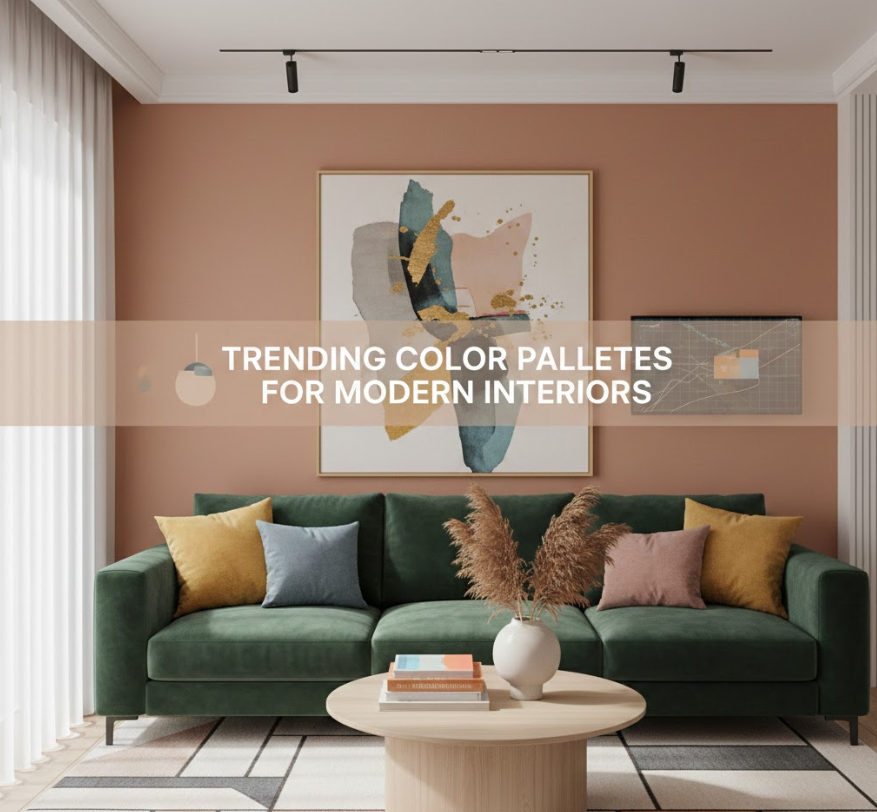
Color is one of the most influential elements in interior design trends. 2026 sees a shift toward both calming and vibrant palettes that balance serenity with personal expression.
- Earthy Neutrals: Warm browns, sandy beiges, and muted greens create grounding environments.
- Jewel Tones: Deep sapphire, emerald, and amethyst accentuate luxury and bold statements.
- Soft Pastels: Muted pinks, blues, and lavenders add subtle warmth and freshness.
- High-Contrast Accents: Black, charcoal, and metallics provide modern drama against soft backgrounds.
Choosing colors aligned with these trends ensures spaces feel contemporary while allowing personal touches.
Sustainable and Eco-Friendly Materials
Sustainability is central to current interior design trends. Homeowners are increasingly opting for eco-conscious materials that reduce environmental impact.
- Reclaimed Wood: Adds warmth, texture, and history to interiors.
- Bamboo and Cork: Renewable and durable, ideal for flooring and furniture.
- Recycled Metals and Glass: Perfect for decor, lighting, and countertops.
- Organic Fabrics: Linen, cotton, and hemp for upholstery and drapery.
Sustainable materials not only enhance the aesthetic but also promote healthier living spaces.
Also Read This:- Virtual Meeting Etiquette: The Complete Guide for Professionals
Furniture and Layout Innovations
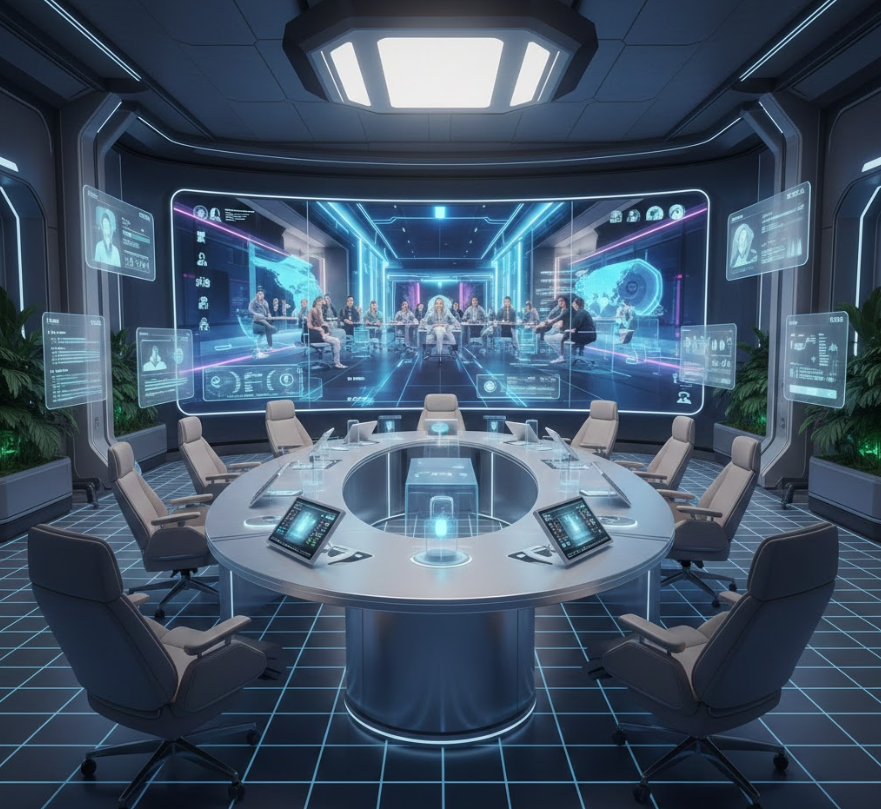
Furniture design in 2026 reflects multifunctionality, comfort, and minimalist elegance, key elements in interior design trends.
- Modular Furniture: Allows customization and adaptability for small spaces.
- Ergonomic Seating: Combines comfort and health-conscious design.
- Statement Pieces: Bold chairs, sculptural tables, and artistic lighting.
- Open-Plan Layouts: Encourages social interaction and fluid movement.
These approaches balance style, practicality, and modern living requirements.
Texture and Material Play
Texture adds depth and visual interest, a key aspect of modern interior design trends. Layering materials creates tactile experiences that engage the senses.
- Velvet and Suede: Adds luxury to furniture and textiles.
- Rough Stone and Concrete: Introduces industrial sophistication.
- Woven Materials: Natural fibers for rugs, baskets, and wall decor.
- Metallic Accents: Brass, copper, and gold for refined contrast.
Strategic texture combinations enhance sophistication while maintaining comfort and approachability.
Lighting as a Design Statement
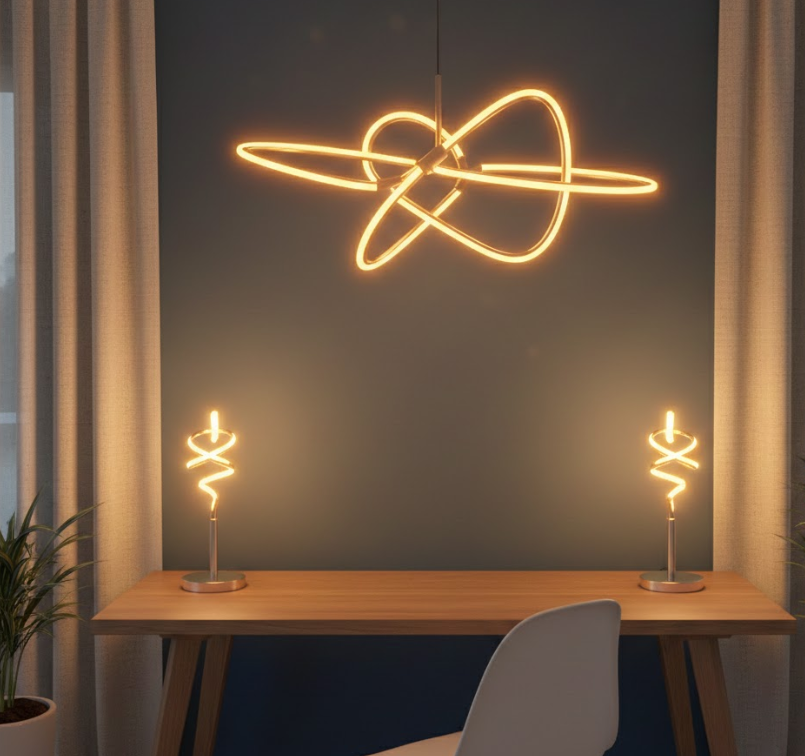
Lighting has become both functional and artistic, reflecting one of the most influential interior design trends.
- Smart Lighting: Adjustable color temperature and automated controls.
- Statement Chandeliers: Eye-catching pieces as focal points.
- Layered Lighting: Ambient, task, and accent lighting for versatility.
- Eco-Friendly LED: Energy-efficient options with long lifespan.
Effective lighting improves ambiance, emphasizes design features, and supports sustainable living.
Also Read This:- Art Projects for Kids: A Comprehensive Guide to Creative Learning
Biophilic Design: Bringing Nature Indoors
Biophilic design is a leading trend in interior design trends, connecting interiors with nature to improve mental and physical well-being.
- Indoor Plants: Air-purifying greenery in every room.
- Living Walls: Vertical gardens as stunning focal points.
- Natural Light Maximization: Large windows and skylights.
- Natural Materials: Wood, stone, and water features.
This approach fosters calm, creativity, and a closer connection to the environment.
Minimalism and Functional Spaces
Minimalist design continues to dominate interior design trends, focusing on simplicity, functionality, and uncluttered aesthetics.
- Decluttered Spaces: Open shelving and hidden storage solutions.
- Neutral Base Colors: Calm backgrounds with occasional bold accents.
- Multi-Functional Rooms: Rooms that adapt to working, relaxing, or entertaining.
- Clean Lines: Sleek furniture and architecture for timeless appeal.
Minimalism emphasizes quality over quantity, creating serene and organized living environments.
Maximalist and Eclectic Styles
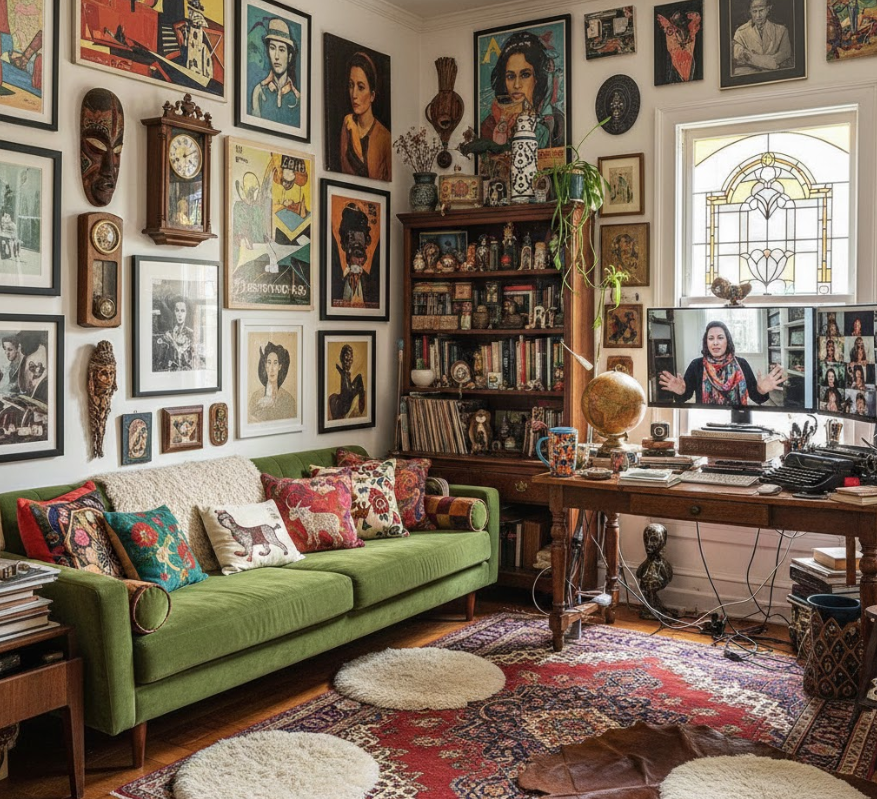
Contrasting minimalism, maximalism and eclectic design offer personalization and bold statements in interior design trends.
- Layered Patterns: Mix prints, textures, and colors boldly yet harmoniously.
- Art Collection Displays: Showcase personal taste through curated artwork.
- Vintage Meets Modern: Combine antique pieces with contemporary accents.
- Statement Rugs and Wallcoverings: Bring visual impact and personality.
Maximalism allows individuality to shine, offering spaces that are lively, unique, and expressive.
Also Read This:- Shop Disco Cowboy Hat: The Ultimate Guide to Retro Western Style
Smart Home Integration
Technology integration is increasingly shaping interior design trends. Smart homes prioritize convenience, sustainability, and connected living.
- Voice-Controlled Devices: Lights, curtains, and temperature control.
- Automated Systems: Security, HVAC, and home entertainment integration.
- Smart Furniture: Charging stations, adjustable desks, and sensor-enabled appliances.
- Energy Management Tools: Optimize consumption and reduce bills.
Smart design ensures interiors are future-ready while maintaining aesthetic appeal.
Kitchen and Bathroom Innovations
Kitchens and bathrooms remain focal points in interior design trends with functional luxury and innovative solutions.
- Quartz and Sustainable Countertops: Durable, eco-friendly surfaces.
- Minimalist Cabinetry: Handleless designs for clean lines.
- Statement Fixtures: Black matte faucets, gold accents, and geometric shapes.
- Spa-Like Bathrooms: Rain showers, freestanding tubs, and natural lighting.
These trends enhance usability, aesthetic appeal, and home value.
Statement Walls and Decorative Accents
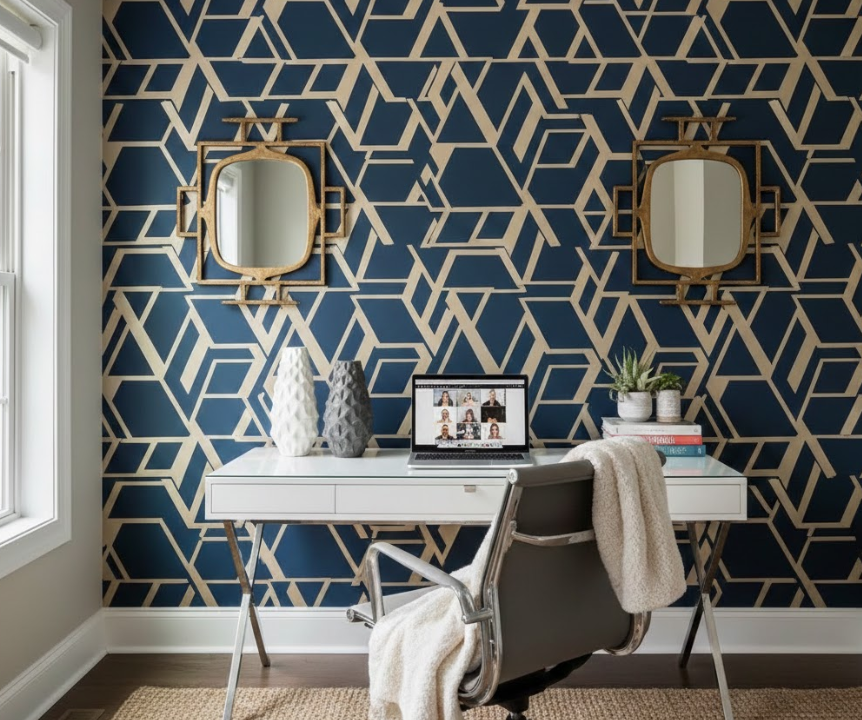
Feature walls and accents are vital in modern interior design trends for adding personality and focus.
- Wallpaper: Bold patterns or textured designs.
- Accent Paint Colors: Contrasting hues on selected walls.
- 3D Wall Panels: Depth and dimension for modern spaces.
- Art Installations: Sculptural or framed art for focal points.
Strategic use of statement walls defines spaces without overwhelming the design.
Flooring Trends
Flooring is foundational in shaping interior aesthetics and functionality. Current interior design trends emphasize durability, texture, and style.
- Engineered Wood: Warm, timeless, and versatile.
- Polished Concrete: Industrial chic for modern interiors.
- Large Format Tiles: Fewer grout lines and sleek appearance.
- Eco-Friendly Options: Cork, bamboo, and recycled materials.
Flooring trends balance comfort, design, and sustainability.
Also Read This:- How to Catch All Stormfish in Sea of Thieves MGRGameTron Guide
Incorporating Vintage and Artisan Elements
In 2026, interior design trends embrace heritage, craftsmanship, and one-of-a-kind pieces.
- Handmade Decor: Artisan pottery, woven textiles, and hand-blown glass.
- Vintage Furniture: Restored mid-century pieces or retro accents.
- Mix of Old and New: Juxtapose contemporary furniture with classic elements.
- Sustainable Craftsmanship: Focus on durability and authenticity.
These choices reflect personality, sustainability, and appreciation for craftsmanship.
Open Shelving and Storage Solutions
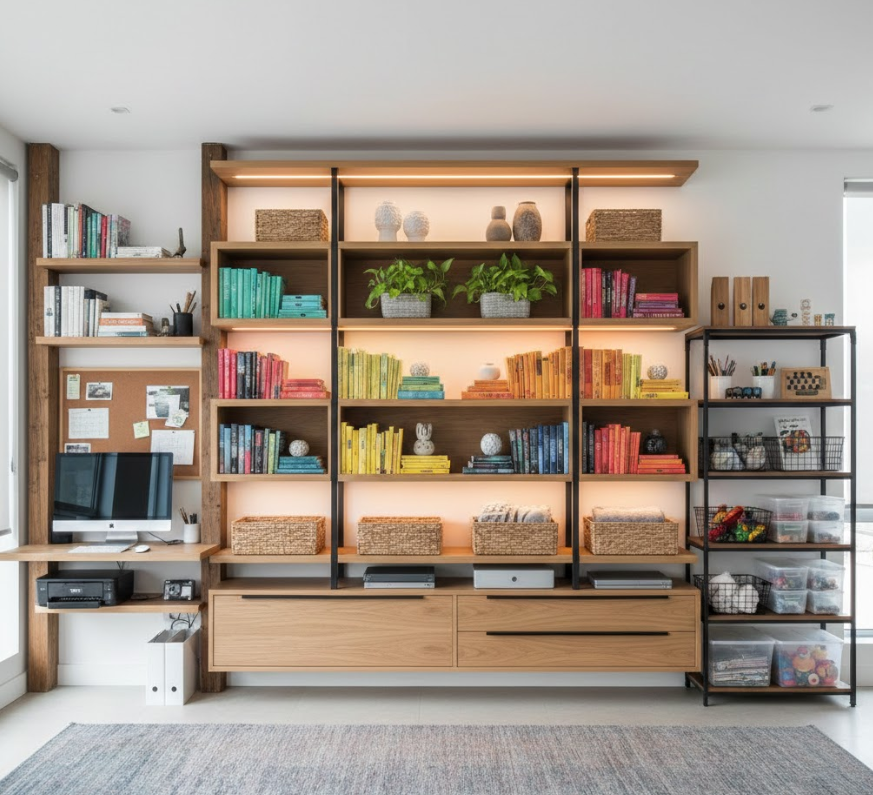
Efficient storage remains critical in interior design trends, combining aesthetics and functionality.
- Floating Shelves: Display items without bulkiness.
- Built-In Cabinets: Seamlessly integrated storage solutions.
- Hidden Compartments: Reduce clutter in minimalistic homes.
- Decorative Storage Baskets: Combine style with practicality.
Smart storage solutions ensure tidy spaces while enhancing the interior aesthetic.
Multi-Functional and Flexible Spaces
Adapting interiors for multiple purposes is a rising trend in interior design trends, especially for remote work and compact living.
- Home Offices in Living Areas: Flexible furniture and partition options.
- Convertible Furniture: Sofas that turn into beds or desks that fold.
- Room Dividers: Temporary screens for privacy and zoning.
- Adaptive Layouts: Easily modified for entertaining or relaxation.
Multi-functional designs maximize space efficiency without sacrificing style.
Also Read This:- How to Buy Ren Faire Tickets at King Soopers: A Complete Step-by-Step Guide
Indoor-Outdoor Connection
Blurring the line between indoor and outdoor spaces is a key aspect of interior design trends.
- Large Sliding Doors or Windows: Enhance natural light and outdoor views.
- Outdoor Living Rooms: Incorporate furniture and decor for comfort.
- Greenery Inside and Outside: Consistent plant schemes connect environments.
- Decks and Patios: Seamless transition from interior to exterior.
This trend promotes relaxation, wellness, and a connection to nature.
Conclusion
Staying updated with interior design trends ensures homes are stylish, functional, and future-ready. From sustainable materials and biophilic design to smart technology, statement walls, and multi-functional spaces, 2026 trends blend innovation with timeless elegance.
By incorporating these trends thoughtfully, homeowners can create spaces that are aesthetically pleasing, practical, and reflective of personal style. Embracing the latest interior design innovations enhances comfort, efficiency, and long-term value.
Frequently Asked Questions
What are the top interior design trends in 2026?
Sustainable materials, biophilic design, smart home integration, and bold textures.
How do I incorporate trends without overspending?
Focus on statement pieces, accent walls, and small decor updates.
Are interior design trends suitable for small spaces?
Yes, multi-functional furniture and minimalist layouts optimize small areas.
Which colors are trending in interiors?
Earthy neutrals, jewel tones, soft pastels, and high-contrast accents.
How can I make my home eco-friendly while stylish?
Use reclaimed materials, organic fabrics, energy-efficient lighting, and sustainable flooring.
More Information Go And Visit:- Wiki Magazines