 wikimagazines@gmail.com
Breeding villagers is an essential mechanic in Minecraft for creating thriving villages, trading centers, and automated farms. Understanding how to breed villagers involves knowledge of beds, food, willingness mechanics, and village mechanics. Whether you play on Java, Bedrock, or Minecraft PE, mastering villager breeding allows you to expand your population efficiently, speed up trading, and create custom villages. This guide explains every aspect of villager breeding, from Minecraft 1.16 to the latest 1.21 updates, including tips for fast breeding, creating villager farms, and using beds and workstations strategically.
How to Breed Villagers in Minecraft
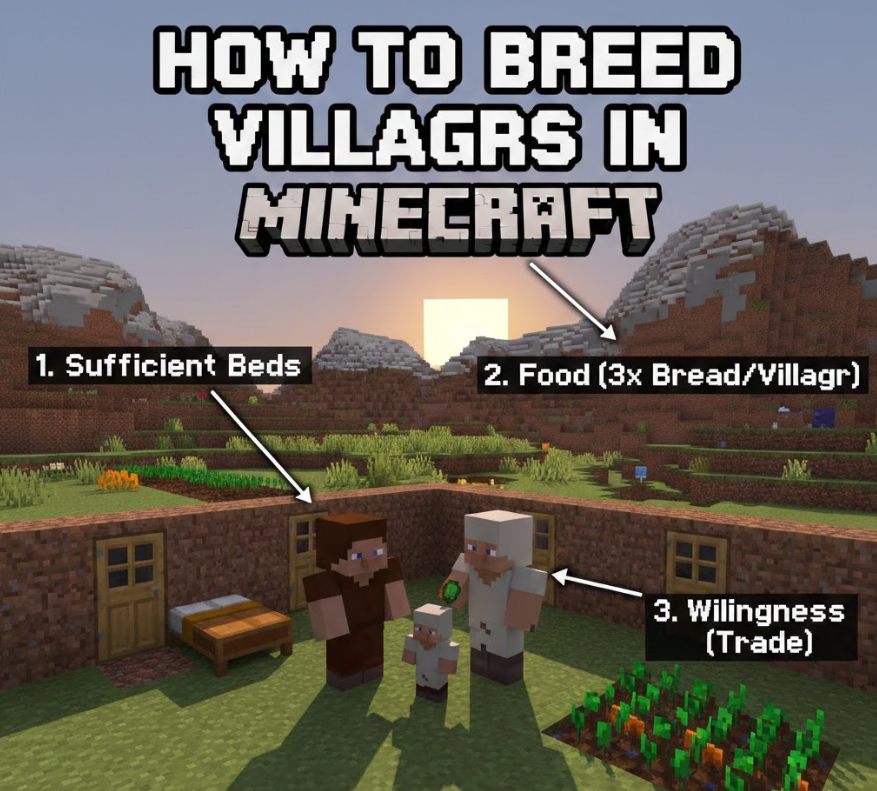
Breeding villagers requires careful attention to beds, food, and village mechanics. It’s not automatic; villagers must be willing to breed.
- Provide beds: Ensure at least two villagers have access to unclaimed beds. Beds are critical for willingness and indicate that there’s space for offspring.
- Offer food: Villagers need sufficient food to become willing. Bread, carrots, potatoes, and beetroot are suitable; each villager must have at least 3 bread or 12 carrots/potatoes/beetroots.
- Check willingness: Villagers need to meet certain conditions to become willing. Trading, sharing food, and providing beds influence their willingness to breed.
- Village layout: Make sure villagers are close to workstations and beds to simulate village behavior. This encourages proper breeding mechanics.
- Time of day: Villagers breed during the day when they are active and can access beds, workstations, and each other.
- Monitor population: Villagers will stop breeding if there are not enough beds or if population caps are reached within a village boundary.
Also Read This:- How to Tame a Silver Fox: A Complete Guide
How to Breed Villagers in Minecraft Bedrock
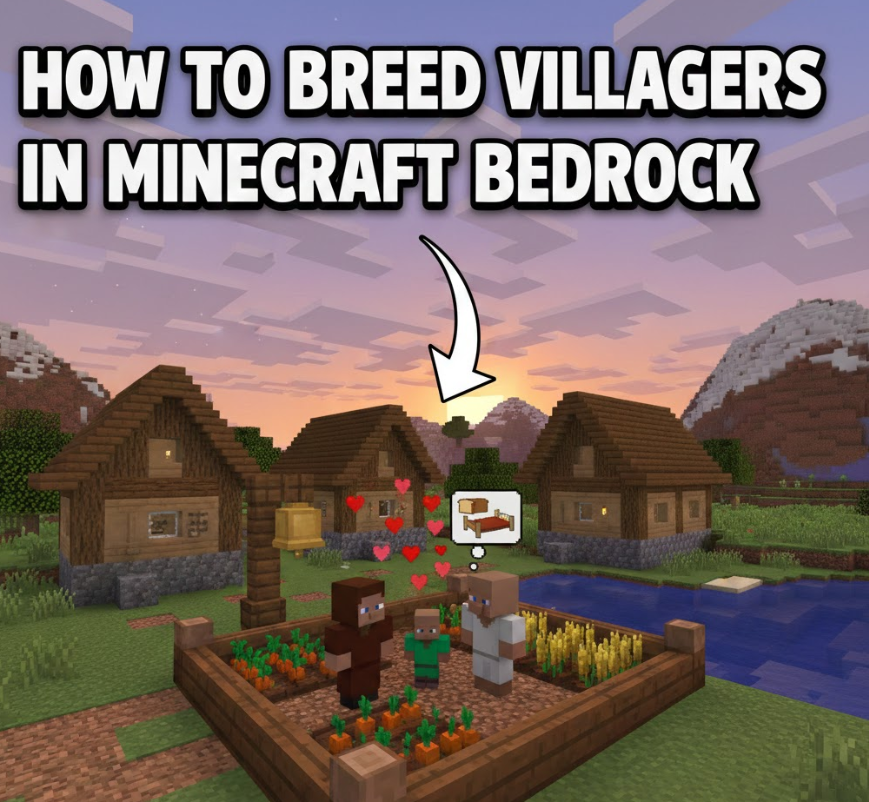
Minecraft Bedrock has slight differences in villager breeding mechanics, but the principles are largely similar to Java Edition.
- Provide beds for all villagers: Each villager needs a bed to breed, and there must be an extra bed for the child.
- Feed villagers: Villagers in Bedrock need at least 3 bread, or 12 vegetables (carrots, potatoes, beets) to become willing.
- Access to workstations: Villagers in Bedrock need proximity to workstations to maintain a healthy village ecosystem.
- Correct time cycles: Villagers breed during their active hours; ensure the area is safe and well-lit.
- Secure the area: Protect villagers from zombies, pillagers, and mobs that can interrupt breeding or kill offspring.
- Repeat feedings: If breeding doesn’t occur, re-feed villagers; willingness can reset daily in Bedrock Edition.
Also Read This:- How to Attract Birds: A Complete Guide to Bringing More Birds to Your Yard, Feeders, and Garden
How to Breed Villagers Fast
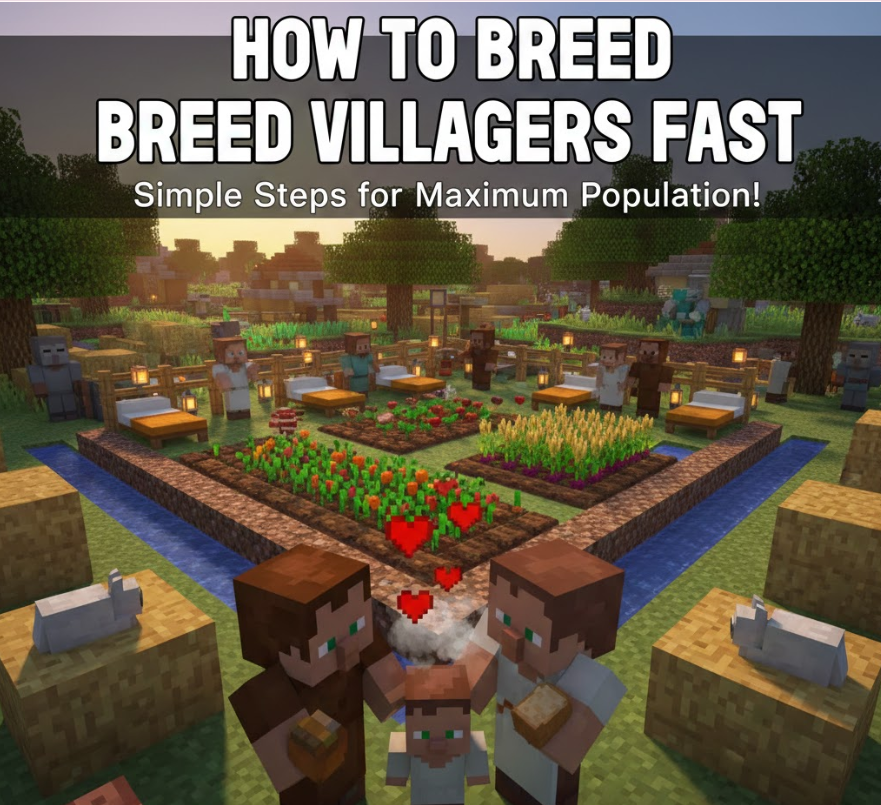
Fast breeding requires optimizing food, beds, and environment. You can accelerate population growth efficiently.
- Stack beds: Provide multiple unclaimed beds in a compact area to encourage continuous breeding.
- Mass food distribution: Use dispensers, farming setups, or manual feeding to ensure villagers are well-fed quickly.
- Separate idle villagers: Isolate willing villagers in a small breeding chamber to prevent wandering and maximize breeding frequency.
- Use trading mechanics: Trading increases villager willingness and can trigger faster breeding.
- Time synchronization: Breeding occurs during the day, so make sure villagers are awake and active.
- Protection from mobs: A secure environment prevents interruptions, ensuring faster and uninterrupted villager breeding.
Also Read This:- How to Change a Tire: A Complete Step-by-Step Guide for Every Vehicle
How to Breed Villagers in Minecraft Java
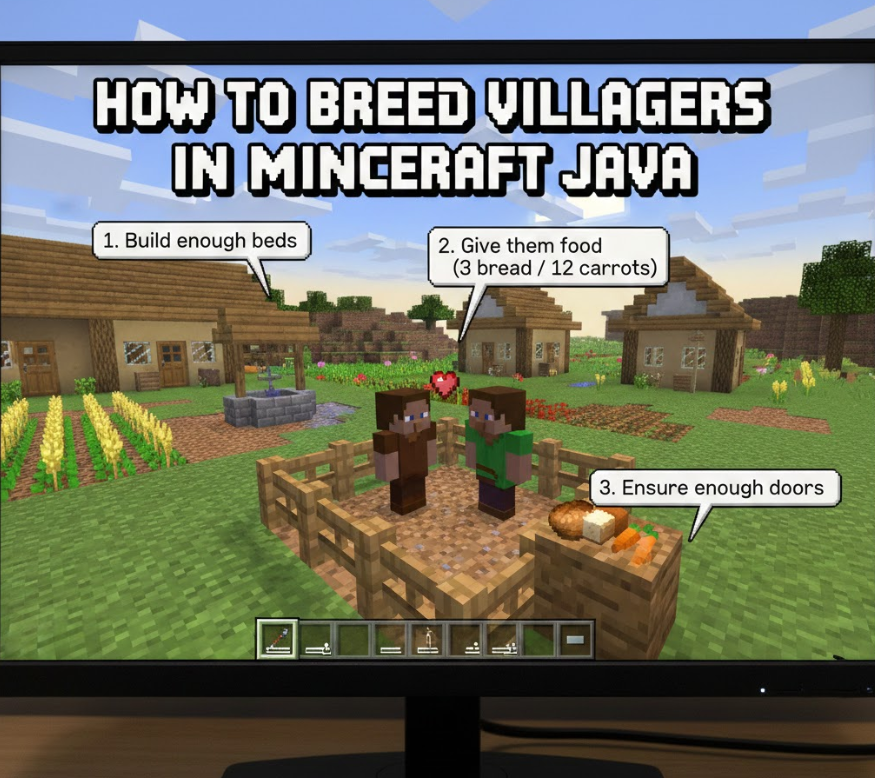
Java Edition uses specific mechanics for willingness and village detection. Understanding these ensures reliable breeding.
- Ensure sufficient beds: Java Edition requires at least one unclaimed bed per new villager. Beds are the primary population-limiting factor.
- Feed villagers: Villagers need 3 bread, or 12 vegetables to gain willingness.
- Proximity matters: Villagers need to be within 8 blocks horizontally and 4 blocks vertically of each other to attempt breeding.
- Workstation influence: While not mandatory, nearby workstations can encourage villager activity and indirectly influence willingness.
- Trading boosts willingness: Trading also increases villager happiness and willingness to breed.
- Monitor breeding attempts: Java Edition villagers may fail if beds are unavailable, food insufficient, or if the village is already at capacity.
Also Read This:- Interior Design Trends: Transform Your Home with Style and Innovation
How to Breed Villagers in Minecraft PE (Pocket Edition)
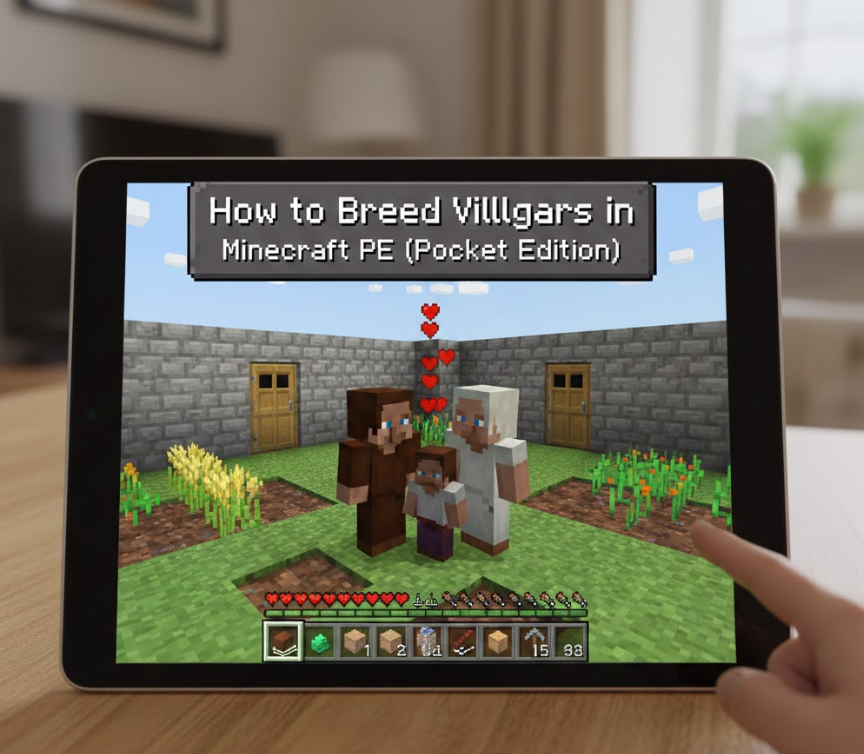
Breeding mechanics in Pocket Edition (Bedrock-based) are mostly consistent with Bedrock Edition, but interface and touch mechanics differ.
- Place enough beds: Ensure extra beds for offspring; Pocket Edition does not differ in this requirement.
- Feed villagers appropriately: Bread, carrots, potatoes, or beetroot ensures willingness.
- Secure breeding space: Pocket Edition villagers wander more, so small enclosures help maximize breeding.
- Lighting is crucial: Brightly lit areas prevent mob spawns that can harm villagers or offspring.
- Time of day: Only breed during daytime when villagers are active.
- Monitor willingness: Regularly check villagers for willingness; use trading or feeding to reset if necessary.
Also Read This:- Virtual Meeting Etiquette: The Complete Guide for Professionals
How to Breed Villagers 1.21
The latest Minecraft 1.21 update introduced minor tweaks that may influence villager behavior. Breeding still relies on beds, food, and willingness.
- Extra beds for new villagers: Always provide more beds than current population.
- Use food strategically: Villagers must be fed; carrots, bread, and potatoes remain the best options.
- Proximity to other villagers: Keep villagers within range for breeding mechanics to register.
- Ensure lighting and safety: Well-lit, secure enclosures prevent mob attacks that can halt breeding.
- Trading improves willingness: Interacting with villagers increases their willingness to breed.
- Time synchronization: Daytime is optimal; breeding attempts happen when villagers are not working or resting.
Also Read This:- Art Projects for Kids: A Comprehensive Guide to Creative Learning
How to Breed Villagers in RLCraft
RLCraft has modified mechanics for difficulty and survival realism, making villager breeding more challenging.
- Provide food and beds: Basic mechanics remain, but food scarcity can affect willingness.
- Protect villagers: Zombies and other mobs are more aggressive; secure enclosures are critical.
- Use trading cautiously: Villagers in RLCraft may have slower willingness gain, requiring repeated trades.
- Compact breeding chambers: Confined areas reduce wandering, ensuring villagers meet frequently.
- Monitor for health: Villagers must be in full health to breed in RLCraft; keep them fed and safe.
- Lighting and spawn control: Proper lighting prevents hostile mobs that can disrupt breeding cycles.
Also Read This:- Shop Disco Cowboy Hat: The Ultimate Guide to Retro Western Style
How to Breed Villagers Minecraft 1.16 and 1.17 (Bedrock & PE)
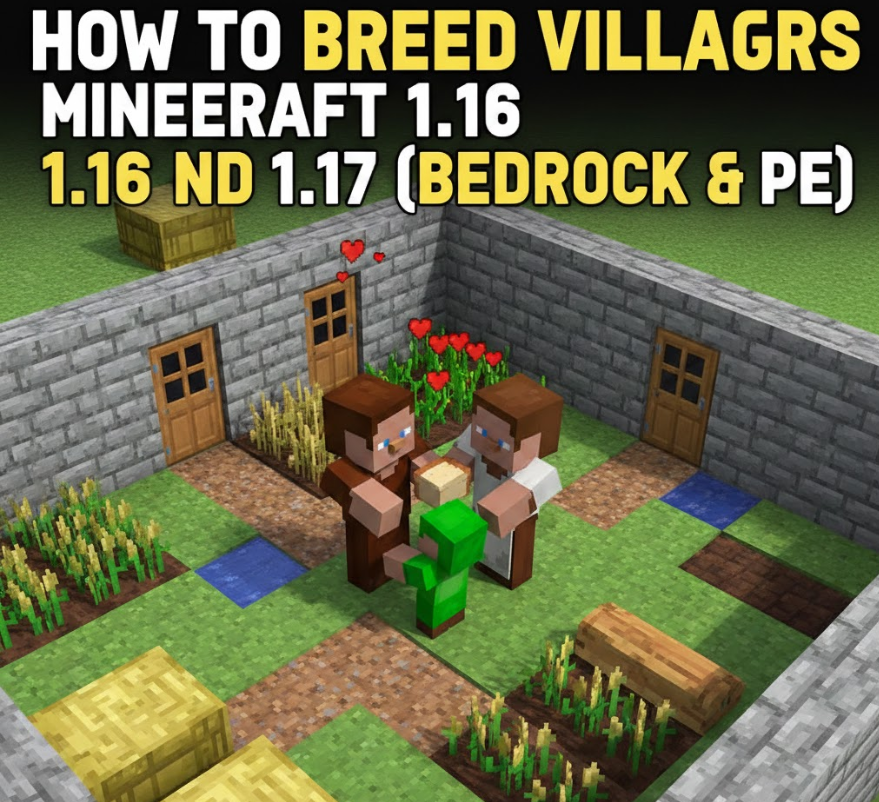
Older versions require the same basic steps but may differ in AI behavior and pathfinding.
- Provide beds for new villagers: Ensure unclaimed beds for offspring.
- Feed sufficient food: 3 bread or 12 vegetables per villager is standard.
- Protect from mobs: Keep villagers in secure, well-lit enclosures.
- Trade to improve willingness: Interact with villagers to encourage breeding.
- Monitor pathfinding issues: Villagers may fail to breed if they cannot reach beds or other villagers.
- Ensure proper timing: Villagers breed during the day, not during work hours or nighttime.
Tips for Efficient Villager Breeding
- Build a breeding chamber with beds, food, and workstations.
- Protect villagers from zombies, pillagers, and wandering mobs.
- Use food dispensers for consistent feeding.
- Trade regularly to boost willingness.
- Space villagers within range to maximize breeding attempts.
- Repeat feeding and trading as necessary for fast, continuous population growth.
FAQs
Q1: Can villagers breed without beds?
No. Beds are mandatory for offspring to spawn.
Q2: What food works best for villagers?
Bread, carrots, potatoes, and beetroot are most effective.
Q3: Can villagers breed in RLCraft?
Yes, but the mechanics are stricter due to increased difficulty.
Q4: How do you breed villagers fast?
Provide extra beds, mass-feed them, and use trading to boost willingness.
Q5: Do Bedrock and Java differ in breeding?
Slightly; Bedrock uses slightly different pathfinding and willingness mechanics but follows the same food/bed rules.
More Information Go And Visit:- Wiki Magazines