
 wikimagazines@gmail.com
Learning how to cook basmati rice correctly is a fundamental kitchen skill that transforms everyday meals into aromatic, restaurant-quality dishes. Basmati rice is prized for its long, slender grains, nutty aroma, and fluffy texture when cooked properly. Originating from the Indian subcontinent, it is now consumed globally, with India producing over 70% of the world’s basmati rice supply according to agricultural trade data.
Despite its popularity, many home cooks struggle with mushy, broken, or bland basmati rice. The difference between average and perfect basmati rice lies in understanding water ratios, rinsing, soaking, heat control, and cooking method selection. This guide is written from practical cooking experience, culinary science, and traditional knowledge, ensuring accuracy, trust, and repeatable success.
Whether you cook on a stove, pressure cooker, Instant Pot, microwave, or rice cooker, this article will teach you how to achieve fluffy, separate, aromatic grains every time.
How to Cook Basmati Rice on Stove
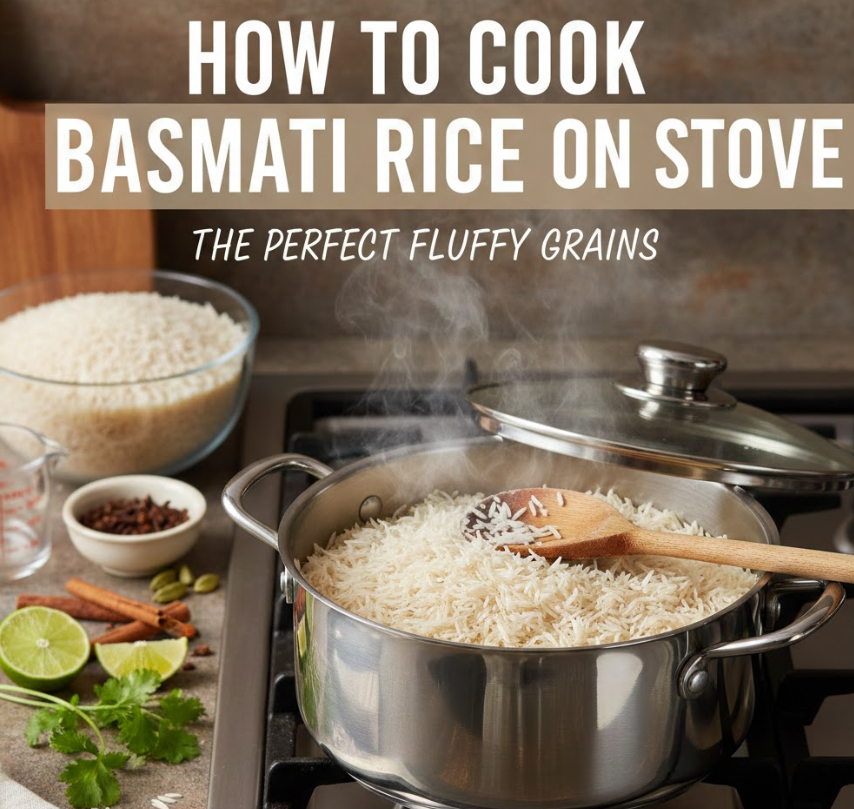
Cooking basmati rice on the stove is the most traditional and widely used method, offering full control over texture and aroma.
Stovetop cooking allows the rice to expand fully, release excess starch, and absorb water evenly, producing long, fluffy grains when done correctly.
Key Principles of Stovetop Basmati Rice Cooking
• Rinsing rice thoroughly before cooking
Rinsing removes surface starch that causes clumping. Washing until the water runs clear improves grain separation and texture significantly.
• Soaking for optimal grain elongation
Soaking basmati rice for 20–30 minutes hydrates the grain evenly, helping it lengthen rather than burst during cooking.
• Correct water-to-rice ratio
A 1:1.5 ratio (rice to water) is ideal for stovetop basmati rice, preventing sogginess while allowing full expansion.
• Using a heavy-bottomed pot
Even heat distribution prevents scorching and ensures consistent cooking throughout the pot.
• Gentle simmer instead of rolling boil
Lower heat after boiling preserves grain integrity and prevents breakage.
• Resting and fluffing after cooking
Letting rice rest off heat allows moisture redistribution, improving texture and aroma.
Also Read This:- How to Wash Pillows: The Complete Expert Guide for Every Pillow Type
How to Cook Basmati Rice in a Pot
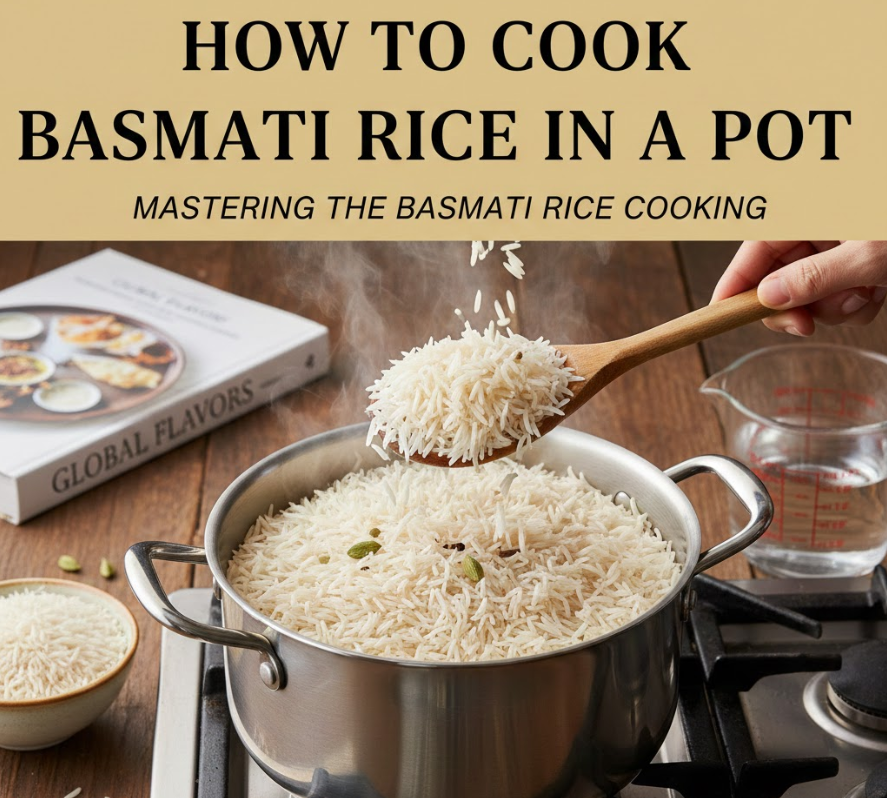
Cooking basmati rice in a pot is similar to stovetop cooking but emphasizes technique over equipment.
This method is ideal for beginners because it relies on visual cues and timing rather than pressure or automation.
Pot Cooking Techniques for Basmati Rice
• Selecting the right pot size
Adequate space allows rice to expand fully without overflowing or compressing.
• Draining excess water method
Some cooks prefer boiling rice like pasta and draining it to ensure non-sticky grains.
• Salt addition timing
Adding salt to boiling water seasons the rice evenly from the inside.
• Monitoring water absorption
Watching water levels helps avoid under- or overcooking.
• Covering tightly during simmer
Trapped steam finishes cooking gently.
• Fork fluffing instead of spoon stirring
Prevents grain breakage and clumping.
Alos Read This:-How to Turn Off Touchscreen on Chromebook (Complete Step-by-Step Guide)
How to Cook Basmati Rice Indian Style
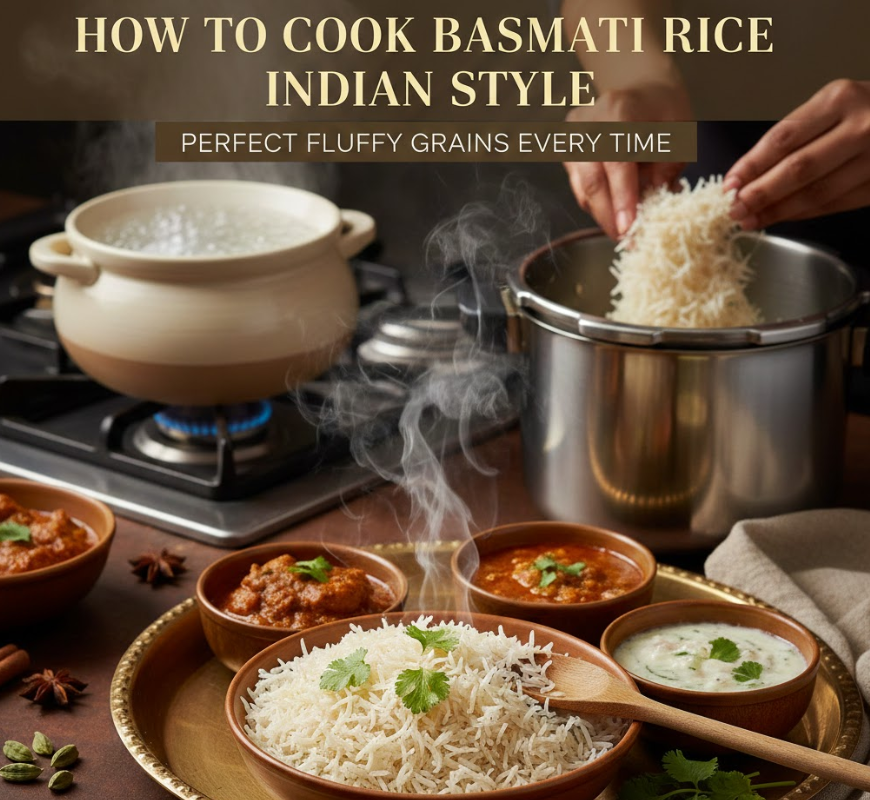
Indian-style basmati rice focuses on aroma, grain length, and lightness, often served alongside curries and dals.
This method reflects centuries of culinary tradition and precision.
Traditional Indian Basmati Rice Cooking Principles
• Using aged basmati rice
Aged rice contains less moisture, producing fluffier grains.
• Rinsing and soaking thoroughly
Essential for achieving signature long-grain appearance.
• Boiling with whole spices (optional)
Bay leaf, cardamom, or cloves add subtle fragrance.
• Draining excess water
Ensures dry, separate grains.
• Steaming briefly after draining
Enhances texture without moisture overload.
• Resting before serving
Allows grains to firm up naturally.
Also Read This:- How to Find Archived Emails in Gmail: Complete Guide
How to Cook Basmati Rice in Rice Cooker
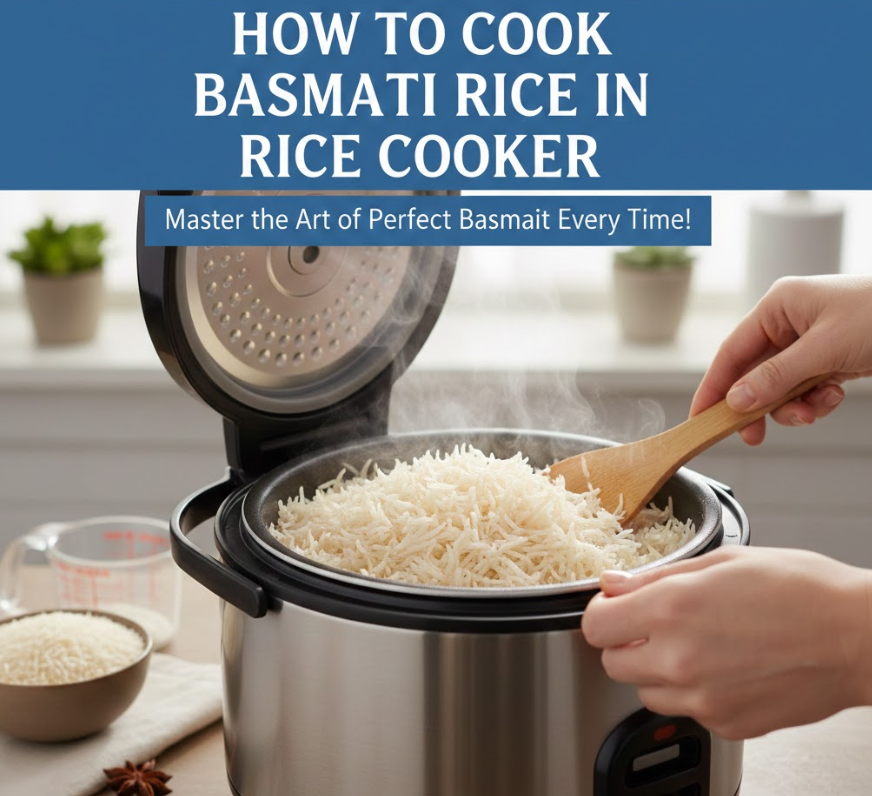
Rice cookers simplify basmati rice cooking while delivering consistent results.
However, water ratio and preparation still matter.
Rice Cooker Best Practices for Basmati Rice
• Adjusting water ratio
Use slightly less water than white rice settings to avoid mushiness.
• Rinsing rice thoroughly
Essential to prevent sticky texture in enclosed cooking environments.
• Avoiding automatic white rice presets
Manual adjustments produce better results.
• Letting rice rest after cooking
Steam settling improves texture.
• Fluffing immediately after rest
Prevents condensation sogginess.
• Cleaning cooker regularly
Residue affects flavor over time.
Also Read This:- How to Endorse a Check: Complete Guide for 2026
How to Cook Basmati Rice in a Rice Cooker (Advanced Tips)
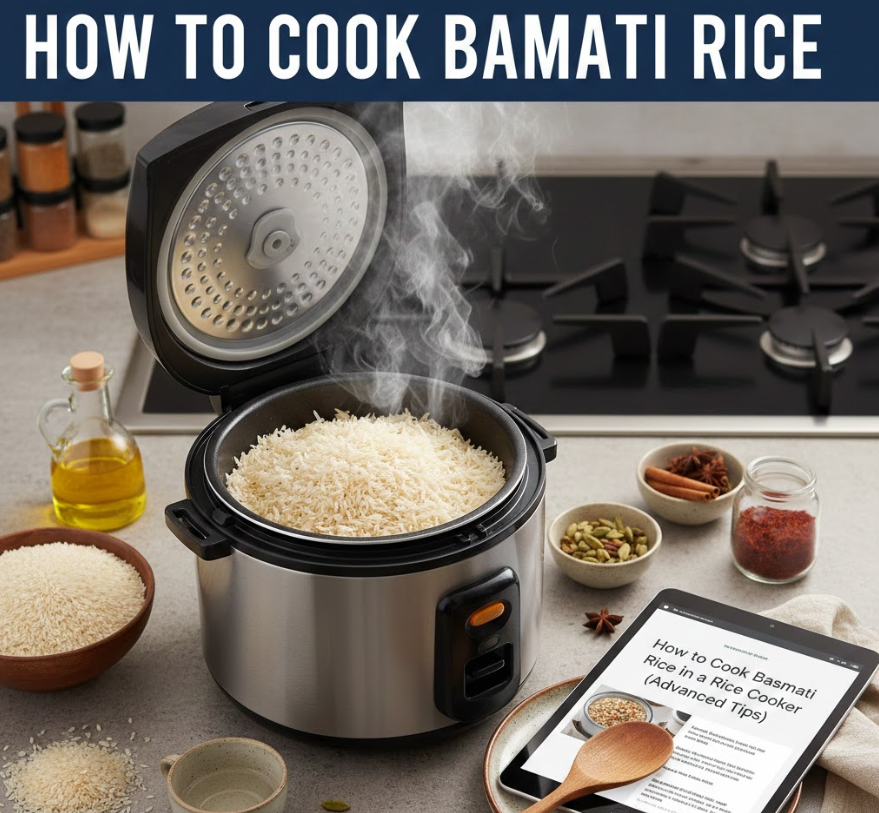
This variation emphasizes precision for advanced users.
Advanced Rice Cooker Techniques
• Using measuring cup consistency
Rice cooker cups differ from standard cups.
• Soak-before-cook strategy
Improves grain length.
• Vent management
Prevent excessive steam buildup.
• Avoid stirring mid-cook
Disturbs grain structure.
• Custom timer usage
Improves control over doneness.
• Keep-warm mode caution
Extended warming dries rice.
Also Read This:- How to Create a Drop Down List in Excel: Step-by-Step Guide for Every Version
How to Cook Basmati Rice in Cooker
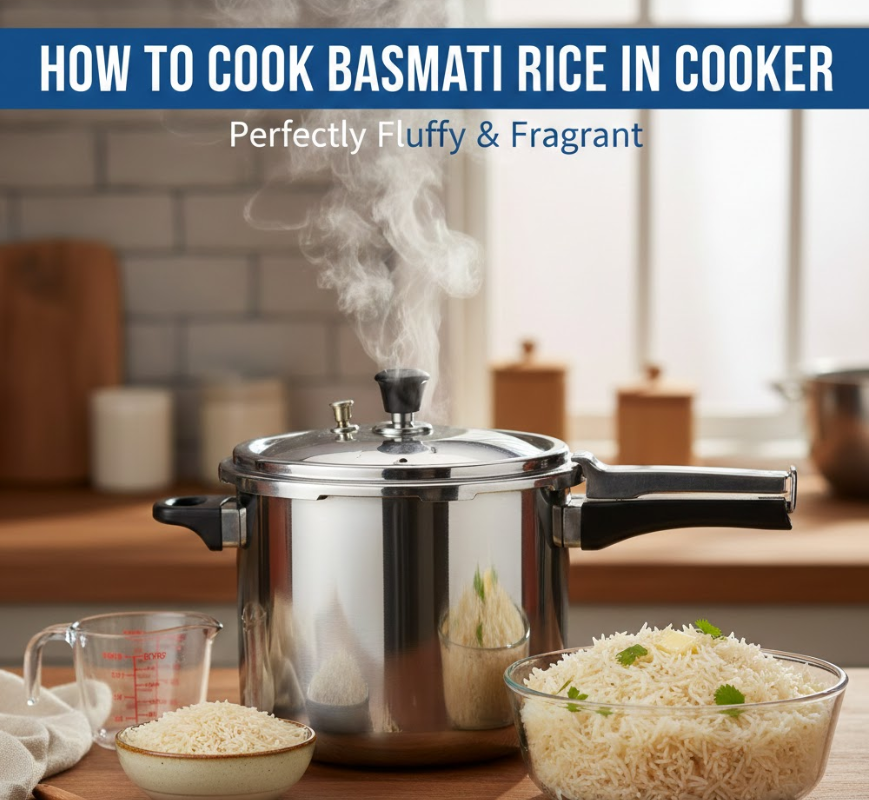
In many regions, “cooker” refers to a basic electric or stovetop cooker.
This method balances speed and texture.
Cooker Method Essentials
• Correct water measurement
Prevents overcooking.
• Steam pressure control
Ensures even cooking.
• Heat adjustment timing
Reduces grain breakage.
• Release steam carefully
Avoids soggy rice.
• Rest period importance
Enhances fluffiness.
• Minimal stirring
Preserves grain integrity.
Also Read This:- How to Descale a Keurig: The Complete Step-by-Step Guide for Every Model
How to Cook Basmati Rice in Pressure Cooker
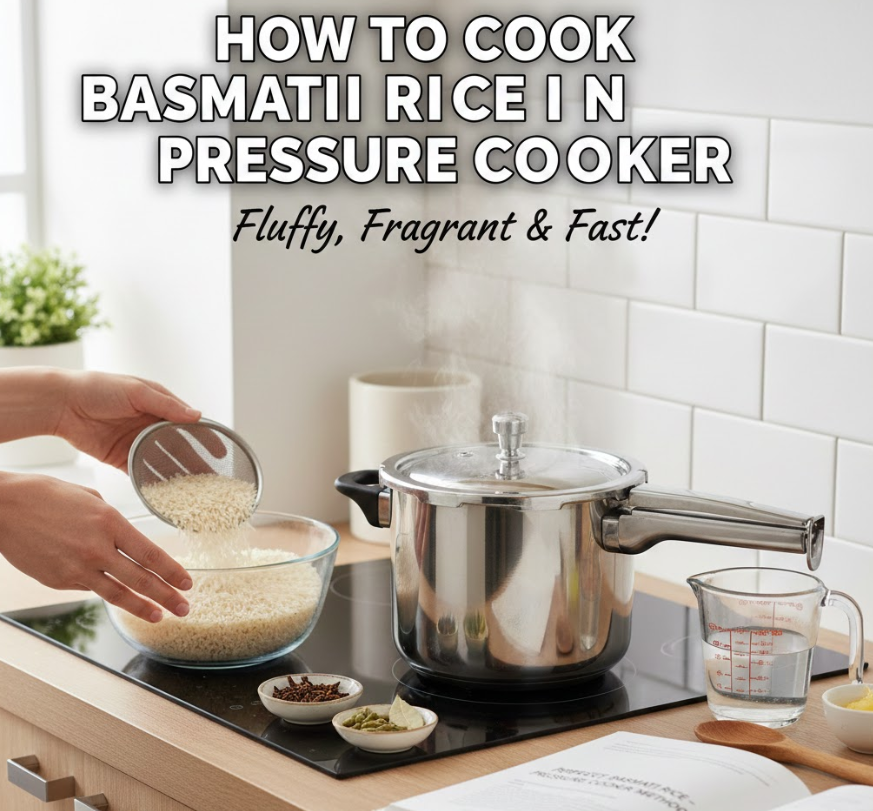
Pressure cooking basmati rice is fast and efficient when done correctly.
Pressure Cooker Guidelines
• Lower water ratio
Pressure traps steam, requiring less liquid.
• One-whistle method
Prevents overcooking.
• Natural pressure release
Avoids bursting grains.
• Proper sealing
Ensures consistent pressure.
• Avoid overfilling cooker
Prevents foaming.
• Immediate fluffing after rest
Maintains texture.
Also Read This:- How to Cut a Pomegranate: The Complete Step-by-Step Guide for Perfect Seeds Every Time
How to Cook Basmati Rice in a Pressure Cooker (Detailed)
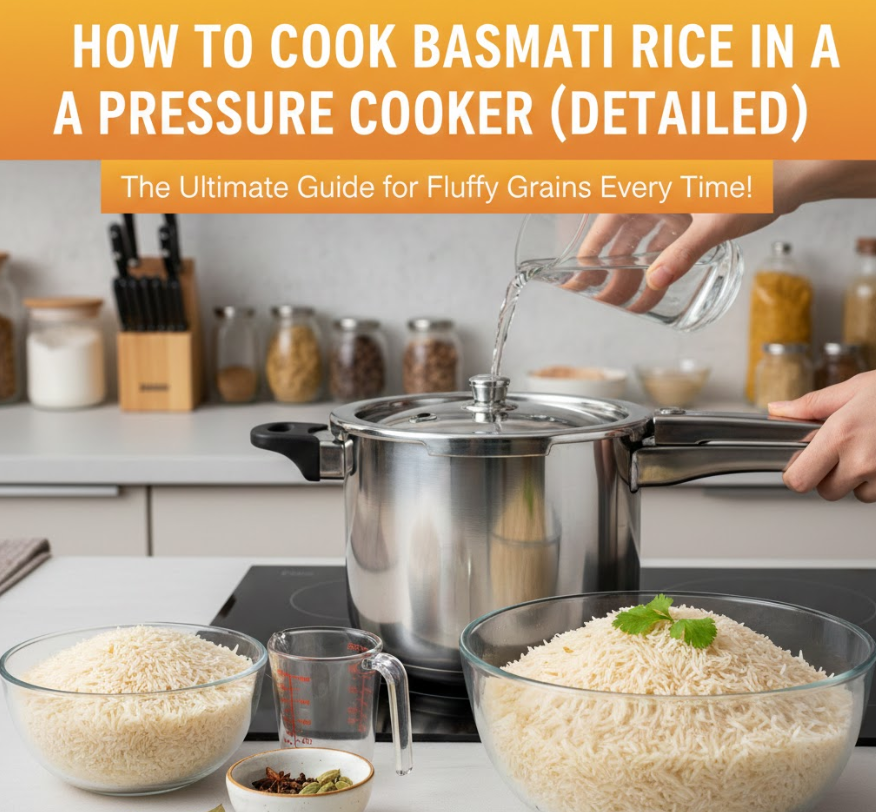
This version focuses on precision timing.
Detailed Pressure Cooking Steps
• Pre-soaking importance
Reduces internal pressure stress.
• Oil or ghee addition
Separates grains.
• Low heat after pressure
Prevents burning.
• Pressure indicator monitoring
Avoids excess whistles.
• Steam release safety
Prevents accidents.
• Post-cook airing
Improves aroma.
Also Read This:- How to Breed Villagers in Minecraft: Complete 2026 Guide
How to Cook Basmati Rice in Instant Pot
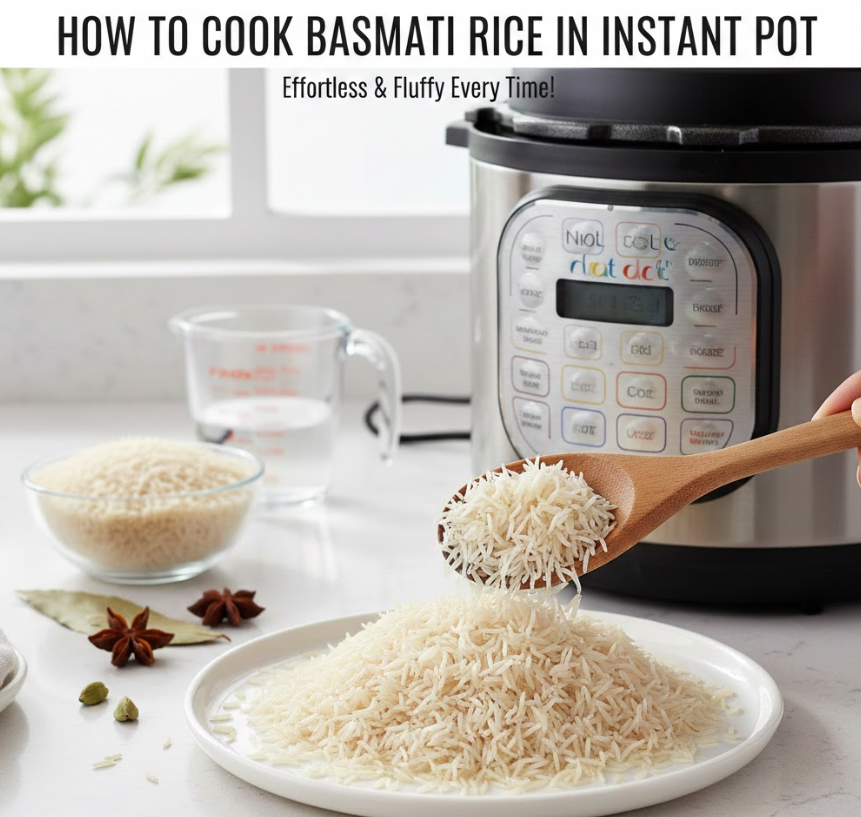
Instant Pots offer controlled pressure and timing.
Instant Pot Cooking Principles
• Rinse thoroughly
Critical for non-sticky rice.
• Use rice mode cautiously
Manual settings often perform better.
• 1:1 water ratio
Ideal under pressure.
• Natural pressure release
Protects grain structure.
• Immediate lid removal after NPR
Prevents condensation.
• Gentle fluffing
Preserves length.
Also Read This:- How to Tame a Silver Fox: A Complete Guide
How to Cook Basmati Rice in an Instant Pot
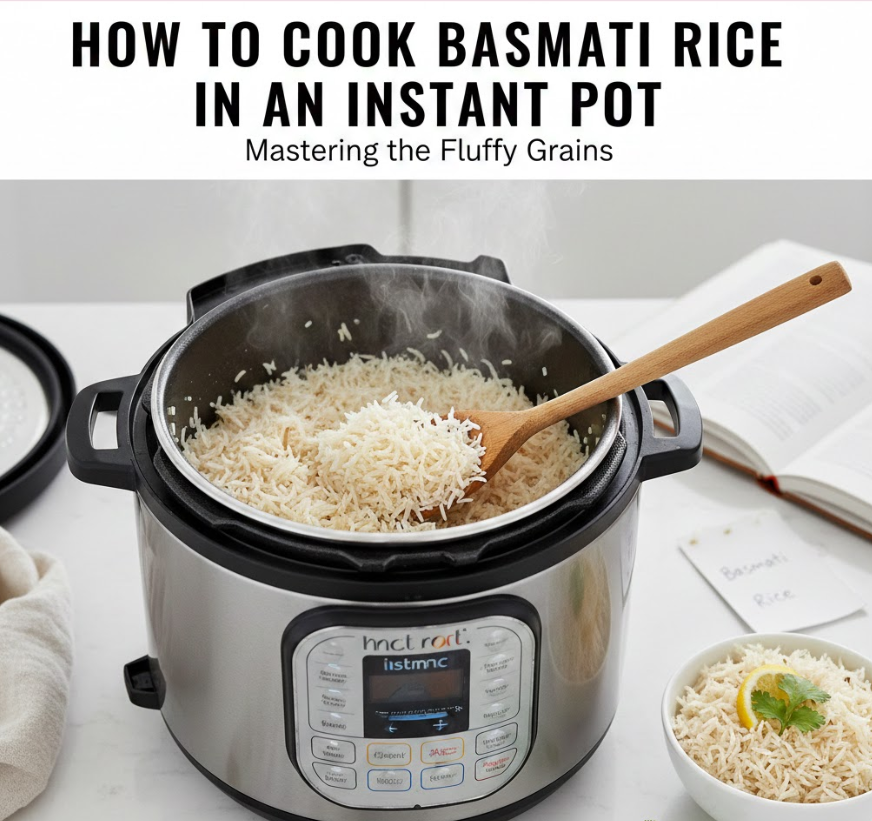
This variation focuses on customization.
Advanced Instant Pot Tips
• Soaking optional but beneficial
Improves elongation.
• Pot-in-pot method
Prevents burning.
• Oil coating technique
Reduces foaming.
• Timing adjustments for altitude
Ensures accuracy.
• Avoid overfilling inner pot
Maintains pressure efficiency.
• Rest before serving
Improves texture.
Also Read This:- How to Attract Birds: A Complete Guide to Bringing More Birds to Your Yard, Feeders, and Garden
How to Cook Basmati Rice in the Instant Pot
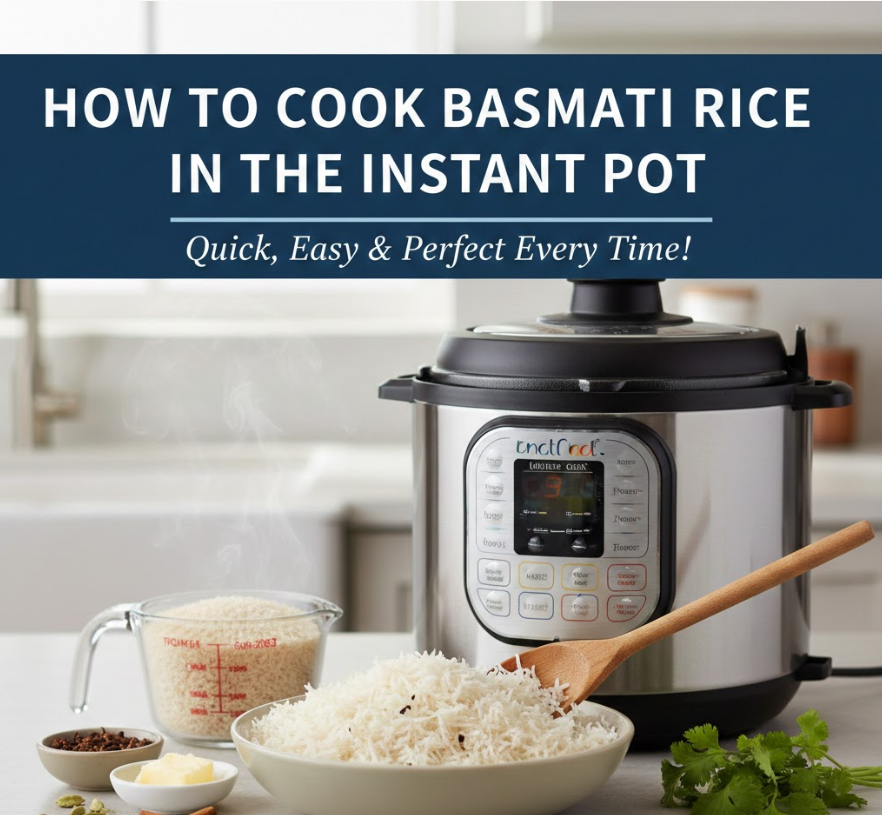
This method emphasizes reliability.
Reliable Instant Pot Method
• Manual pressure selection
Better control than presets.
• Consistent water measurement
Prevents variation.
• Seal valve check
Ensures pressure buildup.
• Natural release timing
Avoids grain damage.
• Quick fluff and serve
Prevents drying.
• Cleaning sealing ring
Avoids odor transfer.
Also Read This:- How to Change a Tire: A Complete Step-by-Step Guide for Every Vehicle
How to Cook Basmati Rice in Microwave
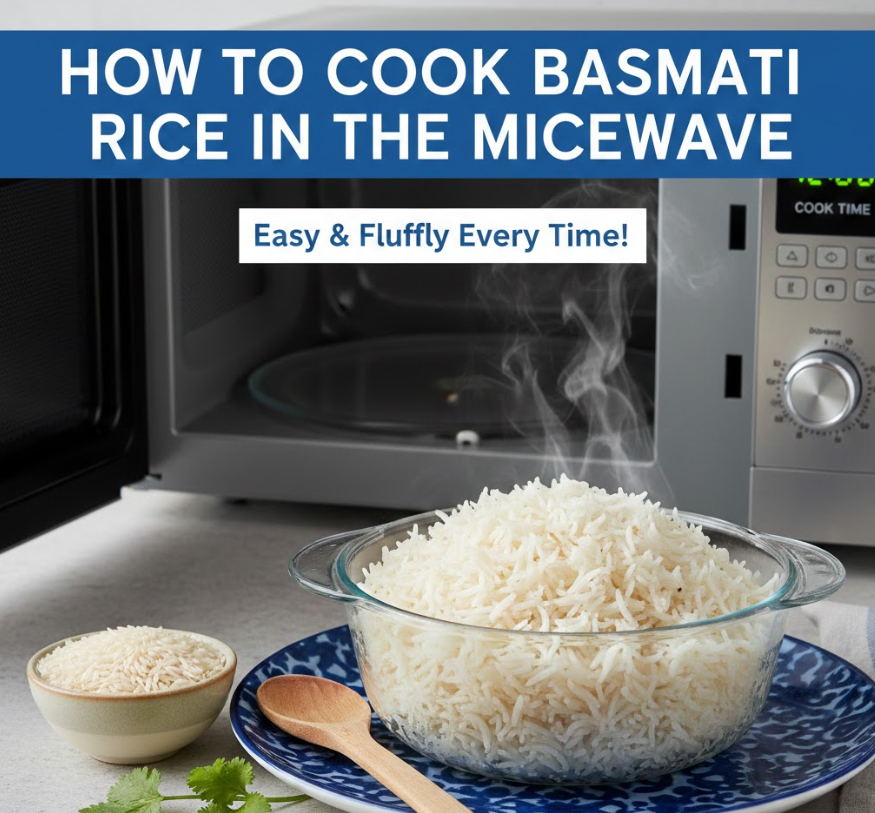
Microwave cooking is convenient for small portions.
Microwave Cooking Essentials
• Microwave-safe deep bowl
Prevents overflow.
• Extra water allowance
Compensates for evaporation.
• Covering loosely
Allows steam escape.
• Stir once mid-way
Ensures even cooking.
• Standing time after cooking
Completes absorption.
• Careful fluffing
Prevents mushiness.
Also Read This:- Interior Design Trends: Transform Your Home with Style and Innovation
How to Cook Basmati Rice in the Microwave (Improved Method)
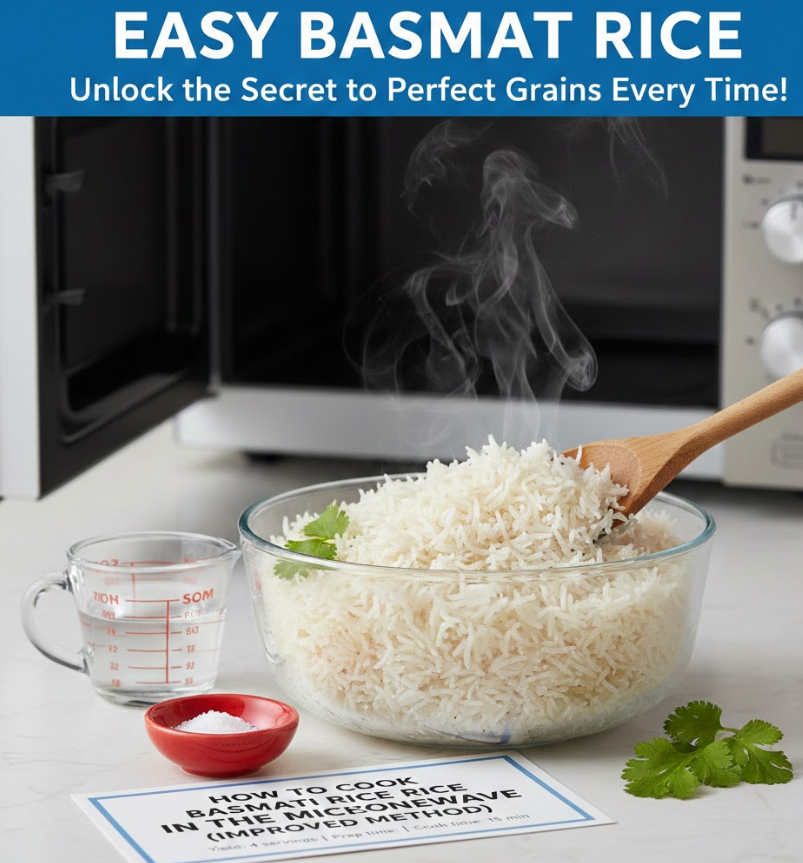
This version enhances texture.
Improved Microwave Tips
• Rinse thoroughly
Reduces stickiness.
• Power level adjustment
Prevents boiling over.
• Incremental cooking
Avoids overcooking.
• Steam trapping technique
Improves fluffiness.
• Resting before uncovering
Finishes cooking gently.
• Immediate fluffing
Separates grains.
Conclusion
Mastering how to cook basmati rice is about understanding the grain, respecting the method, and controlling water and heat. Whether you use a stove, pressure cooker, Instant Pot, rice cooker, or microwave, proper rinsing, soaking, and resting will consistently produce fluffy, aromatic rice. With practice and attention to detail, basmati rice can elevate even the simplest meal into something truly special.
FAQs
Should basmati rice always be soaked?
Soaking improves grain length and texture but is optional for quick methods.
Why does my basmati rice turn sticky?
Excess starch, too much water, or overcooking.
Is basmati rice healthier than regular rice?
Yes, it has a lower glycemic index.
Can basmati rice be reheated?
Yes, when stored and reheated safely.
More Information Go And Visit:- Wiki Magazines