 wikimagazines@gmail.com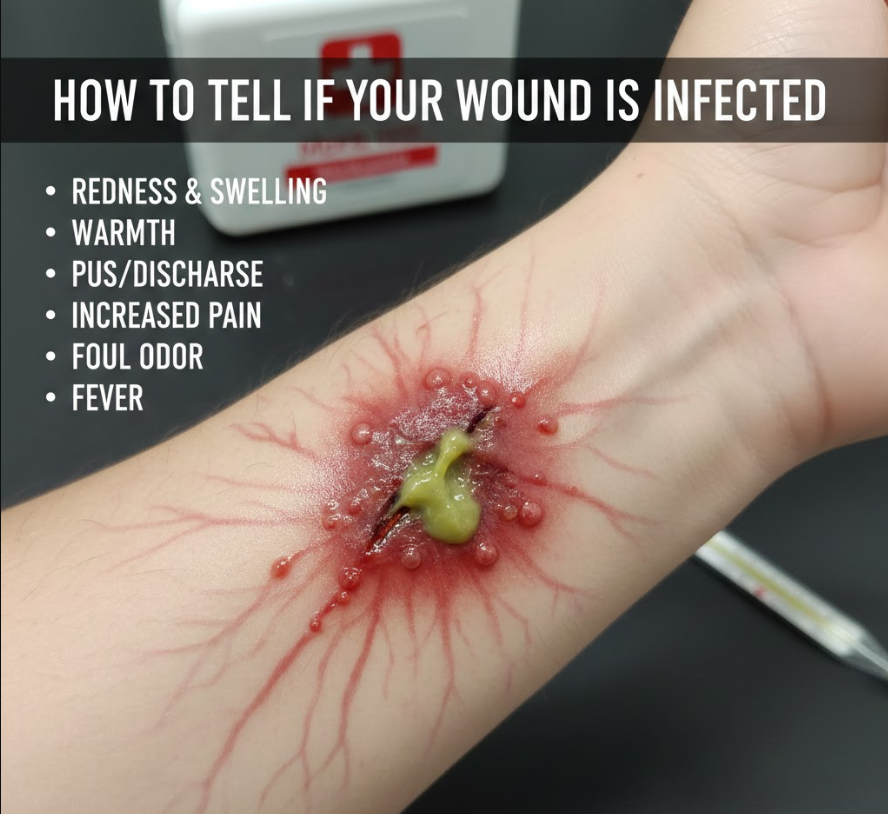
Knowing how to tell if your wound is infected is essential for preventing serious health complications. Every day, millions of people suffer from cuts, scrapes, surgical wounds, burns, and puncture injuries. While most wounds heal naturally with proper care, some become infected when bacteria enter the body through broken skin.
A wound infection can start subtly, often mistaken for normal healing. However, untreated infections may worsen, spread to surrounding tissues, or even enter the bloodstream, leading to life-threatening conditions like sepsis. According to the CDC, wound infections are among the most common preventable medical complications worldwide.
This comprehensive guide explains early signs, advanced symptoms, causes, risk factors, prevention strategies, and treatment options—helping you confidently recognize when a wound is healing normally versus when it requires medical attention.
What Is a Wound Infection? A Clear Medical Explanation
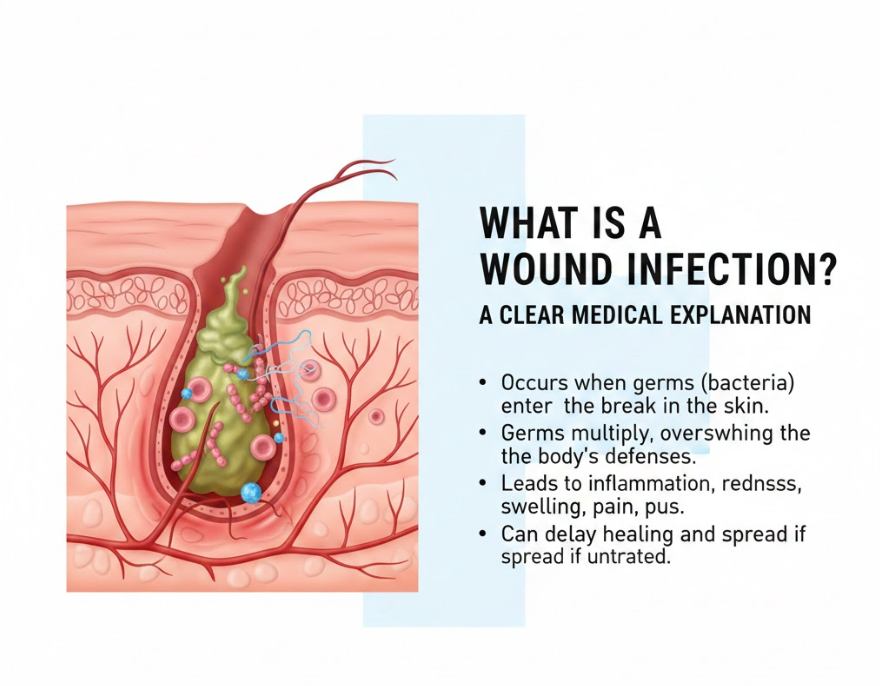
A wound infection occurs when harmful microorganisms—most commonly bacteria—invade damaged skin and multiply faster than the immune system can control.
Key Medical Definition of a Wound Infection
• A wound infection happens when bacteria such as Staphylococcus aureus or Streptococcus enter broken skin and overwhelm natural defenses.
These bacteria thrive in warm, moist environments created by open wounds, especially when hygiene or circulation is poor.
• Infections can be superficial or deep.
Surface infections affect the skin layers, while deeper infections reach muscles, tissues, or bones, making them significantly more dangerous.
• Not all wounds become infected.
Healthy immune function, proper wound cleaning, and prompt care greatly reduce infection risk.
• Some wounds are high-risk by nature.
Surgical incisions, animal bites, diabetic ulcers, and puncture wounds are more prone to infection due to depth or contamination.
• Early detection is critical.
Recognizing subtle warning signs allows early treatment, preventing complications.
• Untreated wound infections can spread systemically.
Bacteria may enter the bloodstream, leading to fever, organ damage, or sepsis.
Also Read This:- How to Cook Basmati Rice: A Complete Expert Guide for Perfect Results
Early Signs That Help You Tell If Your Wound Is Infected
Early symptoms are often mild but should never be ignored. These warning signs usually appear within 2–5 days after injury.
Redness That Spreads Beyond the Wound Area
• Mild redness is normal during healing.
However, redness that spreads outward or becomes darker may indicate bacterial activity.
• Infected redness feels warm to the touch.
Increased blood flow caused by inflammation raises local skin temperature.
• Red streaks are a medical warning sign.
Lines extending from the wound toward the heart may signal lymphatic infection.
• Redness worsening instead of improving is abnormal.
Healing wounds gradually fade in color, not intensify.
• Skin may appear shiny or tight.
Swelling beneath the skin creates a stretched appearance.
• Redness combined with pain is concerning.
Persistent discomfort suggests inflammation beyond normal healing.
Also Read This:- How to Wash Pillows: The Complete Expert Guide for Every Pillow Type
Increased Pain or Tenderness Around the Wound
• Normal wound pain decreases daily.
Pain that worsens instead of improving may signal infection.
• Infected wounds feel deep and throbbing.
This sensation comes from internal inflammation and pressure buildup.
• Pain may spread beyond the wound edges.
This indicates the infection is affecting nearby tissues.
• Touch sensitivity increases abnormally.
Even light contact may feel painful.
• Pain may persist despite pain medication.
Infection-related pain often resists standard relief methods.
• Nighttime pain is a warning sign.
Infection pain often intensifies when the body is at rest.
Also Read This:- How to Turn Off Touchscreen on Chromebook (Complete Step-by-Step Guide)
Visual Signs That Clearly Indicate a Wound Infection
Visual changes often provide the most obvious clues when learning how to tell if your wound is infected.
Pus or Abnormal Discharge from the Wound
• Clear fluid is normal during healing.
Thick, yellow, green, or gray discharge is not.
• Pus indicates immune response failure.
It forms when white blood cells die fighting bacteria.
• Foul odor is a serious sign.
Infected wounds often produce unpleasant smells.
• Increased drainage over time is abnormal.
Healing wounds produce less fluid, not more.
• Sticky or cloudy discharge suggests bacteria.
Healthy wounds remain clean and dry.
• Pus with fever requires urgent care.
This combination suggests spreading infection.
Also Read This:- How to Find Archived Emails in Gmail: Complete Guide
Delayed or Stalled Wound Healing
• Most minor wounds heal within 7–10 days.
If healing stops, infection may be interfering.
• Edges fail to close properly.
Bacteria prevent tissue regeneration.
• Scabbing may repeatedly break down.
Infection weakens new skin cells.
• The wound remains moist too long.
Excess moisture promotes bacterial growth.
• Surrounding skin becomes fragile.
Infection damages healthy tissue nearby.
• Healing plateaus instead of progressing.
Visible improvement should occur daily.
Also Read This:- How to Endorse a Check: Complete Guide for 2026
Systemic Symptoms That Signal a Serious Wound Infection
When infection spreads beyond the wound, it affects the entire body.
Fever, Chills, and Fatigue
• Fever indicates immune activation.
Body temperature rises to fight bacteria.
• Chills suggest bloodstream involvement.
This may indicate a spreading infection.
• Persistent fatigue is a warning sign.
The immune system consumes significant energy.
• Night sweats may occur.
These are common during systemic infections.
• Appetite loss can develop.
The body prioritizes immune defense over digestion.
• Fever with wound symptoms is urgent.
Immediate medical care is recommended.
Swollen Lymph Nodes Near the Wound
• Lymph nodes filter bacteria.
Swelling indicates immune response.
• Nodes feel tender or firm.
This signals active infection.
• Location matters.
Nodes near the wound are most affected.
• Swelling may increase over time.
Worsening swelling requires evaluation.
• Painful nodes suggest aggressive infection.
Mild swelling alone is less concerning.
• Lymph node swelling plus fever is serious.
Seek urgent medical care.
Also Read This:- How to Create a Drop Down List in Excel: Step-by-Step Guide for Every Version
Who Is Most at Risk for Wound Infections?
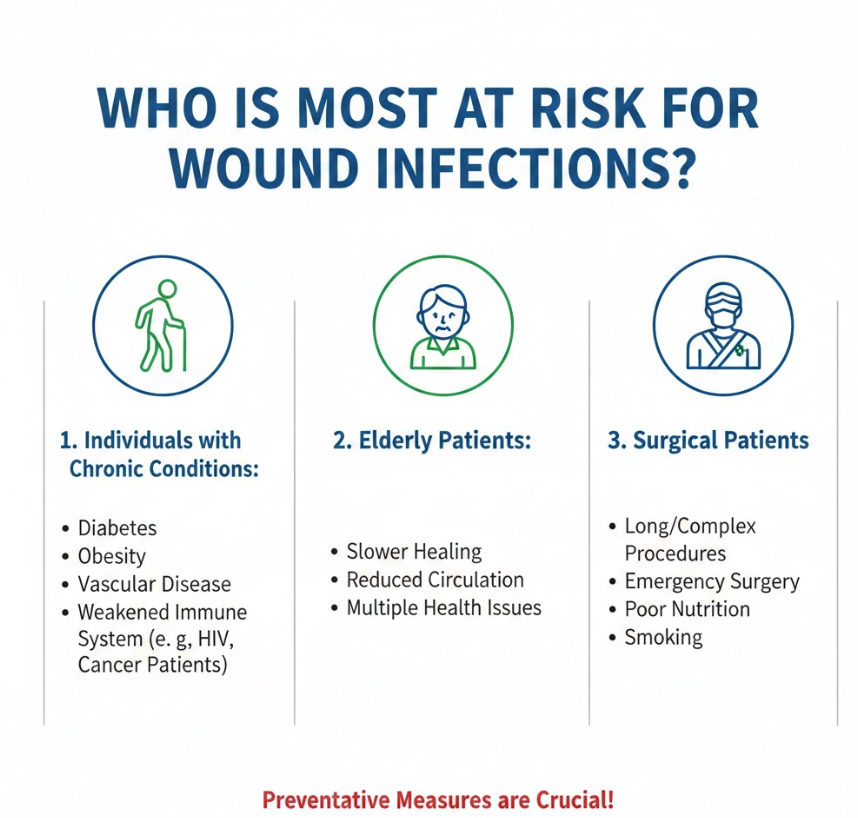
Certain individuals face higher infection risks due to health or lifestyle factors.
High-Risk Groups Explained
• People with diabetes heal slower.
High blood sugar impairs circulation and immunity.
• Older adults have reduced immune function.
Aging slows wound repair processes.
• Smokers experience poor oxygen delivery.
Nicotine restricts blood vessels.
• Individuals with compromised immunity are vulnerable.
Cancer treatments and autoimmune diseases increase risk.
• Poor nutrition delays healing.
Protein and vitamin deficiencies hinder repair.
• Chronic wounds invite bacterial colonization.
Long-term open wounds are infection-prone.
Also Read This:- How to Descale a Keurig: The Complete Step-by-Step Guide for Every Model
How to Treat an Infected Wound at Home (Mild Cases Only)
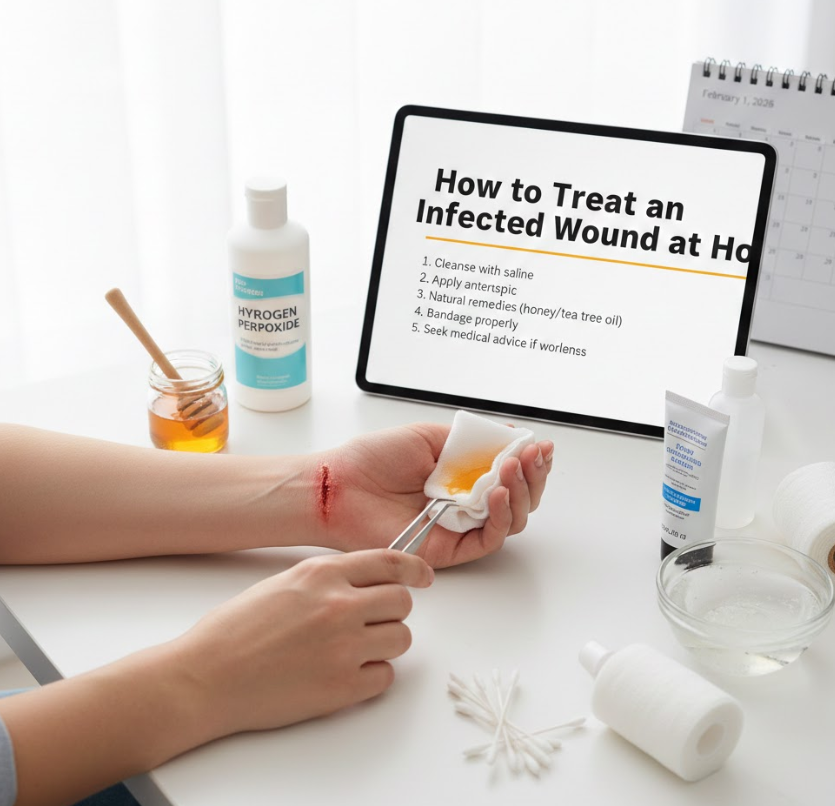
Mild infections may be managed at home under proper guidance.
Safe Home Care Steps
• Clean the wound gently with saline.
Avoid harsh chemicals like hydrogen peroxide.
• Apply an antibiotic ointment sparingly.
Overuse may delay healing.
• Keep the wound covered but breathable.
Moist healing environments work best.
• Change dressings daily.
Clean bandages prevent contamination.
• Monitor symptoms closely.
Improvement should occur within 48 hours.
• Stop home care if symptoms worsen.
Seek medical attention promptly.
Also Read This:- How to Cut a Pomegranate: The Complete Step-by-Step Guide for Perfect Seeds Every Time
When to See a Doctor for a Wound Infection
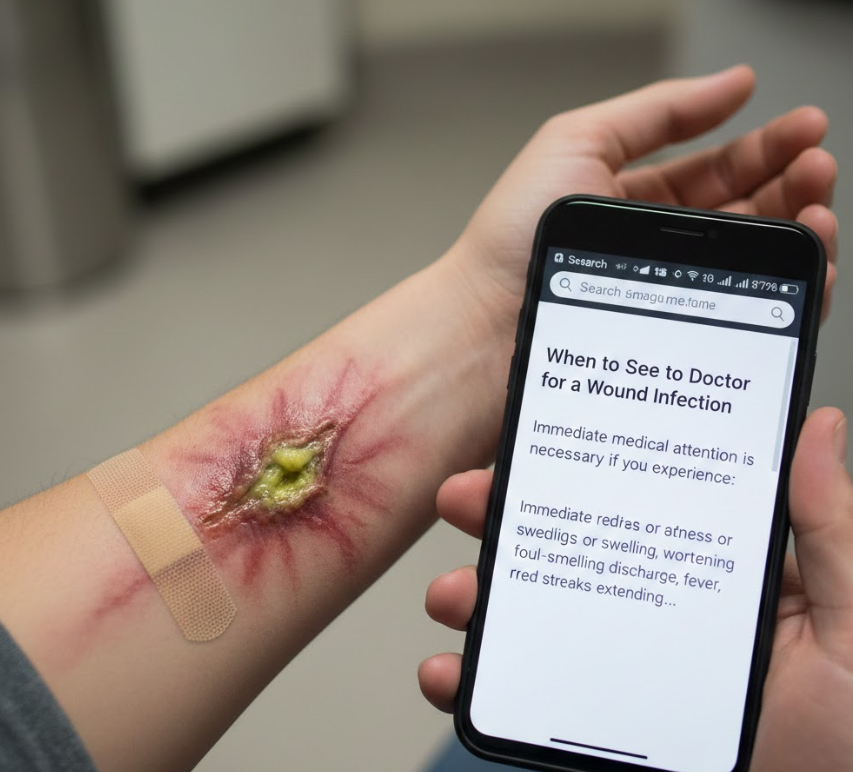
Medical intervention is crucial in certain situations.
Clear Medical Warning Signs
• Fever above 100.4°F (38°C).
Indicates systemic infection.
• Rapidly spreading redness or swelling.
Suggests aggressive bacteria.
• Severe pain or numbness.
May indicate nerve involvement.
• Pus with foul odor.
Often requires antibiotics.
• Non-healing wounds after 10 days.
Professional care is necessary.
• Signs of sepsis (confusion, rapid heartbeat).
Call emergency services immediately.
Also Read This:- How to Breed Villagers in Minecraft: Complete 2026 Guide
How to Prevent Wound Infections Effectively
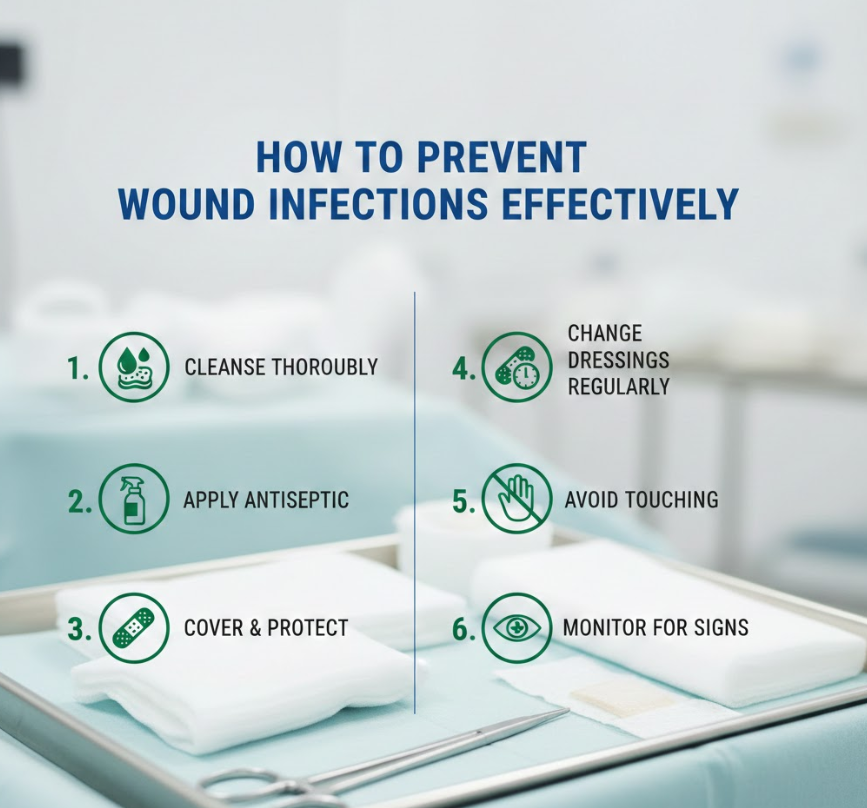
Prevention is always better than treatment.
Evidence-Based Prevention Tips
• Clean wounds immediately after injury.
Early cleaning removes bacteria.
• Wash hands before wound care.
Reduces contamination risk.
• Use sterile dressings.
Avoid reused or dirty bandages.
• Keep wounds dry and protected.
Moisture control prevents bacterial growth.
• Maintain good nutrition.
Protein and vitamin C aid healing.
• Follow post-surgical instructions carefully.
Compliance reduces complications.
Conclusion – Knowing How to Tell If Your Wound Is Infected Can Save Lives
Understanding how to tell if your wound is infected empowers you to act quickly, prevent complications, and protect your overall health. While mild wounds often heal naturally, recognizing abnormal signs—such as spreading redness, pus, fever, or worsening pain—can make the difference between simple treatment and serious illness.
When in doubt, trust your instincts and seek medical advice. Early intervention saves time, money, and lives.
FAQs: How to Tell If Your Wound Is Infected
Q1: Can a wound infection heal on its own?
Mild infections may resolve, but medical evaluation is safest.
Q2: How fast do wound infections develop?
Most appear within 2–5 days after injury.
Q3: Should I cover an infected wound?
Yes, but use clean, breathable dressings.
More Information Go And Visit:- Wiki Magazines